The Way We Were – Cast, Plot and McCarthy Era Context
The Way We Were stands as a defining romantic drama of the 1970s, brought to life by the magnetic pairing of Barbra Streisand and Robert Redford under Sydney Pollack’s direction. Released in 1973, the film weaves together themes of love, political conviction, and the inescapable pull of the past into a narrative that continues to resonate decades after its premiere.
Arthur Laurents drew from his own experiences to craft both the novel and its screenplay, embedding personal history into a story that explores how two people from fundamentally different worlds attempt to build a life together. The result became an Academy Award-winning production that secured its place among the era’s most celebrated films.
Understanding The Way We Were: Core Details and Highlights
Key Insights
- Cultural Impact: The film captured the zeitgeist of post-Vietnam America, offering audiences a nostalgic yet critical examination of mid-century political turmoil through a deeply personal lens.
- Commercial Success: The production grossed approximately $49 million, establishing itself as one of the decade’s most successful romantic dramas.
- Academy Recognition: The soundtrack earned Academy Awards for Best Original Song and Best Original Score, with Marvin Hamlisch’s composition becoming an enduring standard.
- Iconic Romance Trope: The narrative established enduring conventions for the “opposites attract” genre, influencing countless subsequent romantic films.
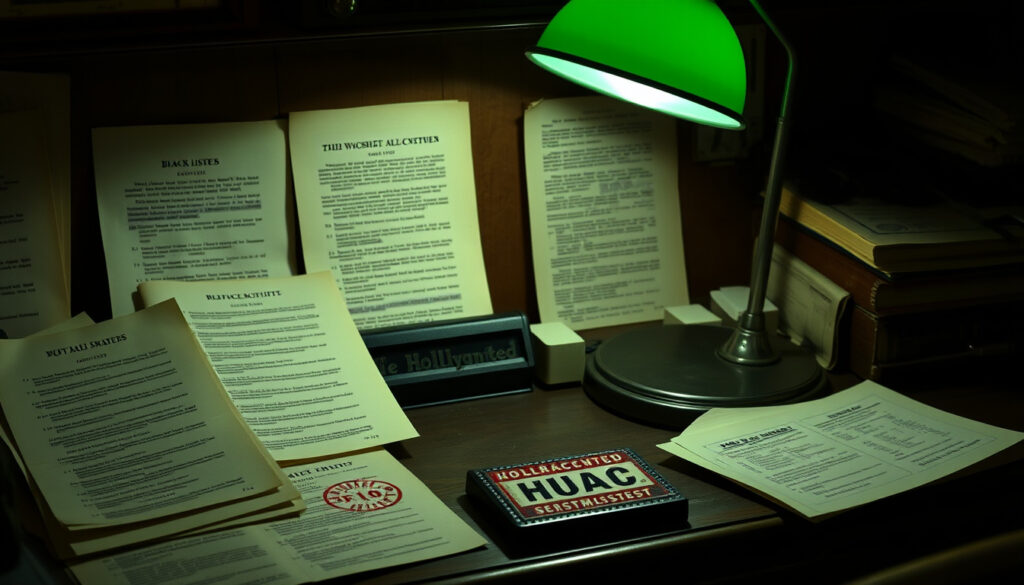
- Historical Weight: The film deliberately confronts the Hollywood blacklist era and McCarthyism, treating these periods as active forces shaping individual destinies rather than distant historical footnotes.
Snapshot Facts
| Category | Details |
|---|---|
| Genre | Drama / Romance |
| Budget | $5 million |
| IMDb Rating | 7.1/10 |
| Rotten Tomatoes Score | 63% |
| Academy Award (Theme Song) | Yes |
| Screenplay Source | Arthur Laurents’ 1972 novel |
The Story Behind The Way We Were
The narrative begins in 1937 at Cornell University, where two students from opposing worlds first encounter one another. Katie Morosky, portrayed as a passionate Marxist with deep anti-war convictions, represents everything institutional America resists. Hubbell Gardiner, her intellectual complement, exists as a seemingly carefree WASP with exceptional writing talent but no particular ideological commitment. Their brief connection at the senior prom proves sufficient to alter the trajectory of both lives.
Their paths reconverge near the end of World War II in New York City, where adult realities have replaced college idealism. Katie supports herself through multiple jobs while Hubbell returns from naval service in the Pacific. Despite their fundamentally incompatible worldviews, they fall in love—a union that defies both logic and circumstance.
Political Friction and Personal Growth
The relationship faces its first major strain following President Franklin D. Roosevelt’s death, when Hubbell’s companions make dismissive remarks about the fallen leader. Katie’s fierce reaction exposes the persistent ideological divide between them, yet this crisis ultimately strengthens their bond rather than destroying it. The scene illustrates how their differences, rather than merely threatening the partnership, have become integral to its character.
The Hollywood Chapter
When Hubbell receives an opportunity to adapt his own novel into a screenplay, Katie initially resists the idea of Hollywood exploitation, fearing the compromise of his talents. Despite her reservations, they marry and relocate to Malibu, where studio contracts provide material comfort. This period represents the couple’s most stable chapter—until external historical forces intervene.
Arthur Laurents himself experienced blacklisting during the Red Scare. His 1949 film Home of the Brave faced scrutiny after a communist newspaper reviewed it, despite Laurents’ Jewish heritage, sexual orientation, and liberal politics rendering him a target rather than an actual sympathizer. This personal history informs the film’s authentic treatment of McCarthy-era persecution.
Historical Context: The McCarthy Era on Screen
The Way We Were was released during a period of American self-reflection following the Vietnam War, and its treatment of the Hollywood blacklist carries particular resonance. By setting the blacklist’s impact within a romantic narrative, the film accomplishes what pure historical drama might not—it demonstrates how political persecution fractures intimate relationships, transforming abstract injustice into visceral personal consequence.
Katie’s political awakening intensifies as McCarthyism spreads beyond Hollywood into broader society. Her participation in public demonstrations confronting government overreach regarding privacy and free speech represents more than individual conviction—it reflects the activist spirit that would later fuel the civil rights and anti-war movements. The film suggests that remaining silent under political pressure constitutes its own form of complicity.
The Blacklist’s Emotional Toll
As the blacklist expands, Katie’s activism increasingly threatens Hubbell’s professional standing and economic security. The screenplay portrays this dynamic with nuance: neither character possesses complete moral authority. Hubbell’s desire for stability reflects genuine human need, while Katie’s commitment, though admirable, carries costs for those around her. The film resists simple verdicts, instead illuminating how political circumstances can render incompatible what love has joined together.
Plot Timeline: From College to Plaza Hotel
The narrative spans approximately two decades, tracking both personal evolution and historical transformation. The timeline below outlines key events across the couple’s relationship and the production’s development.
- 1937: Katie and Hubbell meet as students at Cornell University, dancing together briefly at the senior prom before parting ways.
- 1945: The pair reunites in New York City near World War II’s conclusion, beginning their romantic relationship despite ideological differences.
- c. 1945-1950s: Following their marriage, Katie and Hubbell relocate to Malibu, experiencing their most stable period before political forces intrude.
- Post-marriage: Hubbell’s affair with a former college girlfriend coincides with Katie’s pregnancy, accelerating the marriage’s dissolution.
- Daughter’s birth: Rachel’s arrival precedes the couple’s divorce, with Katie recognizing that Hubbell will perpetually choose the path of least resistance.
- Later years: Katie and Hubbell reunite by chance at the Plaza Hotel in New York, where she now demonstrates against nuclear weapons.
- 1971: Arthur Laurents publishes the novel The Way We Were, drawing from personal experiences with HUAC and Cornell memories.
- 1972: Principal photography takes place, with Pollack directing Streisand and Redford in their acclaimed performances.
- October 1973: The film premieres in theaters, becoming an immediate commercial and cultural phenomenon.
Fiction Versus Reality: What We Know and What Remains Uncertain
Arthur Laurents authored the story as fiction, drawing inspiration from his own college experiences at Cornell and his encounters with the House Un-American Activities Committee. While the narrative incorporates authentic historical elements—Hollywood blacklisting, McCarthy-era persecution—the specific characters and events remain entirely invented.
Persistent rumors have circulated regarding tension between Streisand and Redford during production. Sydney Pollack has denied these claims publicly, though detailed behind-the-scenes accounts from the era remain limited. Additionally, the precise extent of Laurents’ autobiographical inspiration versus creative embellishment continues to invite scholarly debate.
| Established Fact | Unverified Claim |
|---|---|
| Fictional story by Arthur Laurents | Off-screen tension between leads |
| Filming completed in 1972 | Specific production anecdotes |
| Premiere in October 1973 | Detailed budget allocations |
| Academy Award for soundtrack | Complete streaming history |
Cast and Creative Team
The film’s success owes considerably to its extraordinary cast pairing. Barbra Streisand brings fierce conviction to Katie Morosky, imbuing the character with passionate intensity that transcends simple political caricature. Robert Redford counters with careful restraint, portraying Hubbell’s fundamental decency alongside his inability to meet Katie’s demands for moral courage.
Sydney Pollack’s direction maintains equilibrium between intimate romance and historical epic, while Arthur Laurents’ screenplay adaptation honors both his source novel and the broader social context informing its narrative. Additional production details are documented in comprehensive film resources.
Notable Quotes
“What’s the matter with Rosie?” — A line that became emblematic of the film’s examination of casual prejudice among ostensibly tolerant intellectuals, sparking discussion about complicity and silence in the face of injustice.
— The Way We Were screenplay
Legacy and Lasting Significance
The Way We Were endures because it refuses simple resolutions. The protagonists’ inability to bridge their fundamental differences—no matter how genuine their love—reflects broader truths about the challenges of maintaining relationships across ideological divides. The film’s bittersweet conclusion, interrupted by a taxi as they finally begin to understand one another, has become iconic precisely because it suggests that sometimes timing determines everything.
Marvin Hamlisch’s Academy Award-winning score transcends its period setting, providing emotional resonance that continues moving audiences decades later. The title song, performed by Streisand herself, achieved genuine cultural penetration, becoming a standard at weddings and commemorations despite—or perhaps because of—its association with a narrative of romantic failure.
Summary
The Way We Were represents a confluence of remarkable talent addressing timeless themes. Barbra Streisand and Robert Redford’s chemistry anchors a narrative that examines how political conviction, personal history, and romantic love interact across decades of American social transformation. Arthur Laurents drew from genuine experience to craft a story that captures both the glamour and the cost of the Hollywood blacklist era. Films exploring memory and lost connection often share this film’s emotional complexity, though few achieve its historical specificity. The 1973 production remains essential viewing for anyone interested in American cinema’s capacity to address political reality through personal drama.
Frequently Asked Questions
Who directed The Way We Were?
Sydney Pollack directed the 1973 release, guiding the project from Arthur Laurents’ novel through production to critical acclaim and commercial success.
What awards did The Way We Were win?
The film secured Academy Awards for Best Original Song and Best Original Score, with Marvin Hamlisch’s title track becoming an enduring standard in American popular music.
Is there a sequel to The Way We Were?
No sequel was ever produced. The narrative concludes definitively with the protagonists’ bittersweet reunion at the Plaza Hotel, and neither Laurents nor the studio pursued continuation.
Where can I watch The Way We Were?
The film has appeared on various streaming platforms over the years. Current availability fluctuates, so checking major streaming services directly provides the most accurate information.
How does the film handle historical accuracy?
While the central romance is fictional, the portrayal of McCarthy-era Hollywood blacklisting reflects authentic historical conditions. Laurents incorporated his own experiences with the House Un-American Activities Committee into the narrative.
What is the runtime of the film?
The production runs for approximately 118 minutes, maintaining a pace that allows character development alongside historical exposition.
Did Barbra Streisand perform the theme song?
Yes, Streisand recorded the title track “The Way We Were,” which achieved chart success and became synonymous with her vocal artistry.
How did critics receive the film upon release?
Reviews were mixed but generally positive, with particular praise for the lead performances and the soundtrack. The film achieved significant commercial success despite divided critical opinion.
More related posts
 Can Dogs Eat Coconut? Benefits, Risks & Feeding Tips
 Panama National Football Team: 2026 Qualifying, History & Players
 Mission Impossible – The Final Reckoning: Release, Cast, Stunts
 Venmo Customer Service Number: Phone, Chat & Support Guide
 Recipe for Banana Bread – Moist Easy Guide
 HR Jobs Near Me: Find Part-Time, Entry-Level & More in Ireland
 Rent v Buy Calculator: Find Your Break-Even Point