Blinded by the Light Lyrics – Meaning and Deuce Explained
Blinded by the Light remains one of rock history’s most curious cases—a song written by Bruce Springsteen for his 1973 debut album, largely overlooked until a British band’s cover transformed it into a chart-topping phenomenon. The track’s journey from obscure album cut to worldwide hit is marked by one of music’s most famous misheard lyrics, creating a cultural divide between those who know the original and those who only recognize the hit version.
The song’s evolution spans two distinct recordings: Springsteen’s dense, poetic original and Manfred Mann’s Earth Band‘s radio-friendly adaptation. Both versions have generated ongoing discussion about meaning, intent, and the nature of musical interpretation. Understanding the lyrics requires exploring not just the words themselves, but the contexts in which they were written and performed.
What Are the Lyrics to Blinded by the Light?
The lyrics to Blinded by the Light first appeared on Springsteen’s debut album Greetings from Asbury Park, N.J., released in 1973. The original version runs approximately five minutes, packed with dense, surreal imagery drawn from the songwriter’s New Jersey upbringing. Nightlife slang, automobile references, and portraits of eccentric characters populate every verse, creating a textured portrait of youthful experience.
Bruce Springsteen
Manfred Mann’s Earth Band
Greetings from Asbury Park, N.J. (1973)
The Roaring Silence (1976)
Manfred Mann’s Earth Band released their version on the 1976 album The Roaring Silence, extending the track to approximately seven minutes. This adaptation became the version most listeners recognize today, propelling the song to No. 1 on the Billboard Hot 100 in 1977 and giving Springsteen his first chart-topping songwriting credit.
Key Insights About the Lyrics
- The song was written by Bruce Springsteen and appeared on his debut album in 1973
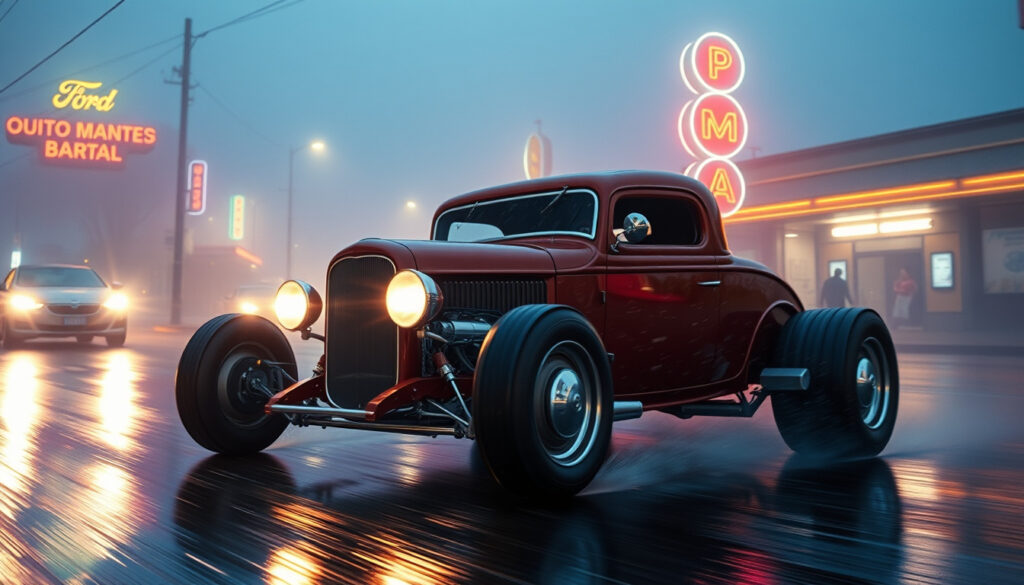
- “Deuce” in the lyrics refers to a 1932 V8-powered Ford “deuce coupe” hot rod
- The Manfred Mann cover reached #1 on the Billboard Hot 100 in 1977
- The most common mishearing is “wrapped up like a douche” instead of the actual “revved up like a deuce”
- Springsteen wrote the song quickly, incorporating personal, psychedelic elements
- The cover version changed “cut loose like a deuce” to “revved up like a deuce”
- A tape-machine glitch during recording may have amplified the mishearing effect
| Fact | Details |
|---|---|
| Writer | Bruce Springsteen |
| Original Release | 1973 |
| Famous Cover | Manfred Mann’s Earth Band, 1976 |
| Chart Peak | #1 Billboard Hot 100 (cover) |
| Original Length | Approximately 5 minutes |
| Cover Length | Approximately 7 minutes |
The Manfred Mann cover achieved top 10 positions not only in the United States but also in the United Kingdom, New Zealand, and Canada, making it an international breakthrough for both the band and Springsteen’s songwriting career.
Who Wrote Blinded by the Light?
Bruce Springsteen wrote Blinded by the Light, composing the track during his early career as a struggling musician in New Jersey. The song appeared on his 1973 debut album Greetings from Asbury Park, N.J., which also featured the early version of Rosalita (Come Out Tonight). Springsteen crafted the lyrics rapidly, packing them with personal references and surreal imagery intended to capture what he described as the “overwhelming rush of being young.”
According to interviews and biographical accounts, Springsteen drew heavily from his experiences growing up in Freehold, New Jersey. The references to cars, nightlife, and eccentric characters reflect the cultural landscape he observed while performing in local bars and clubs. The dense, almost stream-of-consciousness approach to lyricism marked him as a distinctive voice during an era dominated by simpler songwriting conventions.
Bruce Springsteen’s Original Intentions
Springsteen intended the original lyrics to tell a story through fragmented images rather than linear narrative. The verse about “madman drummers bummers” and characters with names like “Little Girl” and “Rosalita” created a cast of relatable yet mysterious figures inhabiting a world shaped by ambition, risk-taking, and the pursuit of dreams. The songwriter later acknowledged that some lines emerged from pure experimentation with language and sound.
What Is the Meaning of Blinded by the Light Lyrics?
The lyrics explore several interconnected themes centered on youth, ambition, and the chaotic pursuit of dreams. The imagery of being overwhelmed by possibilities, temptations, and the “dizzying cycle of life” recurs throughout the verses. Lines like “with a boulder on my shoulder, feeling kind of older, I trip the merrygoround” capture the sensation of bearing weight beyond one’s years while remaining caught in repetitive patterns.
Hope and resilience emerge as counterbalancing forces throughout the track. References to risk-taking, such as “to look into the eyes of the sun / But mama, that’s where the fun is,” suggest that passion often requires venturing into uncomfortable or dangerous territory. The American cultural landscape—automobiles, nightlife, small-town struggles—provides the backdrop against which these emotional journeys unfold.
Youth, Ambition, and Chaos
The chaos of youth forms the emotional core of the original lyrics. Springsteen populates his verses with characters who are simultaneously attracted to and overwhelmed by life’s possibilities. The “merrygoround” metaphor suggests cycles of excitement and disappointment that characterize early adulthood. Each verse introduces new figures—drummers, bummers, dancers—who embody different responses to this overwhelming environment.
Many critics and fans identify autobiographical elements throughout the lyrics, with Springsteen using his New Jersey experiences as raw material. The specific references to American cars and nightlife slang date the composition to its era while maintaining universal themes about growing up.
What Does “Revved Up Like a Deuce” Mean in the Lyrics?
The phrase “revved up like a deuce” contains a critical automobile reference that defines the song’s energy. “Deuce” refers specifically to a 1932 Ford “deuce coupe,” a classic hot rod model powered by a V8 engine. This connection makes sense within the American car culture imagery that permeates Springsteen’s lyrics, where automobiles represent freedom, power, and the drive to pursue one’s ambitions.
In the original 1973 lyrics, Springsteen wrote “cut loose like a deuce, another runner in the night.” The phrase “cut loose” conveyed liberation and acceleration—breaking free from constraints and racing forward. When Manfred Mann’s Earth Band covered the song, they changed this line to “revved up like a deuce,” prioritizing rhyme and flow over the original phrasing, which Manfred Mann reportedly found “too corny.”
Understanding the Hot Rod Reference
The 1932 Ford deuce coupe holds an iconic place in American automotive history and hot rodding culture. The car’s powerful engine and distinctive profile made it a symbol of speed, youth rebellion, and mechanical expertise. By using this reference, Springsteen connected his youthful characters to broader American cultural narratives about freedom and mobility.
Springsteen himself acknowledged the automobile origin of the phrase. In comments about the misheard version, he explained that “deuce” connected to his earlier reference to “Little Deuce Coupe” and the car culture he grew up around. His humor about the situation reflected both acceptance of listener interpretation and clarity about his original intent.
Manfred Mann deliberately altered pronunciations in the cover version, which contributed significantly to the mishearing phenomenon. The band’s decision to modify the original phrasing for musical reasons inadvertently created one of music’s most famous examples of a mondegreen—a misheard lyric that becomes more widely recognized than the actual words.
What Are Common Misheard Lyrics for Blinded by the Light?
The most famous mishearing from Blinded by the Light replaces “revved up like a deuce” with “wrapped up like a douche.” This mondegreen became so prevalent that many listeners who sing along to the song do so with the incorrect phrase without realizing their mistake. The similar-sounding consonants and the unexpected meaning of “douche” compared to the car reference created a memorable and sticky misperception.
Sources confirm that no intentional “douche” meaning exists in the lyrics. The misunderstanding stems purely from the phonetic similarity between “revved” and “wrapped,” combined with the unclear delivery on the Manfred Mann version. Springsteen himself joked about the phenomenon, noting that while “douche” refers to “a feminine hygienic procedure,” the public had spoken and the misheard version had taken on a life of its own.
The Mondegreen Phenomenon Explained
A mondegreen refers to a misheard lyric or phrase that listeners believe to be accurate. Music psychologists and linguists have studied why certain mishearings persist despite clear evidence of the actual words. In the case of Blinded by the Light, several factors contributed to the endurance of “wrapped up like a douche”: the unfamiliar automotive terminology, the extended musical arrangement that makes lyrics harder to distinguish, and the emotional resonance of the phrase itself.
A tape-machine glitch during the recording of the Manfred Mann version may have amplified the confusion. This technical element, combined with deliberate pronunciation changes made by the band, created conditions ripe for misunderstanding. The phenomenon demonstrates how musical interpretation can diverge significantly from authorial intent, regardless of how clearly words were originally conceived.
Timeline of Blinded by the Light
Understanding the song’s evolution requires examining key moments in its history, from initial composition through its transformation into a chart-topping hit.
- 1973: Bruce Springsteen releases Greetings from Asbury Park, N.J., including the original version of Blinded by the Light
- 1976: Manfred Mann’s Earth Band records and releases their cover version on The Roaring Silence album
- 1977: The cover version reaches No. 1 on the Billboard Hot 100, giving Springsteen his first chart-topping songwriting credit
- 1980s–2000s: The song continues to receive radio play and appears on various compilation albums
- Present: Both versions remain available, with the Manfred Mann cover typically appearing on classic rock playlists
Established Facts vs. Unverified Claims
Established Information
- Bruce Springsteen wrote the song in 1973
- It appeared on his debut album Greetings from Asbury Park, N.J.
- Manfred Mann’s Earth Band covered it in 1976
- The cover reached No. 1 in the United States in 1977
- “Deuce” refers to a 1932 Ford hot rod
- Springsteen changed “cut loose” to “revved up” in his later live performances
Unverified or Unclear
- Whether The Weeknd has recorded a version of this specific song remains unclear based on available sources
- Whether The Streets hip-hop artist has recorded a cover version requires additional verification
- The specific extent of Springsteen’s early disapproval of the cover continues to be discussed in various accounts
The Cultural Impact of the Manfred Mann Cover
The Manfred Mann cover transformed Blinded by the Light from an album track into a cultural phenomenon. The band’s decision to extend the arrangement and emphasize the anthemic elements made the song accessible to audiences who might never have encountered Springsteen’s more challenging original. This transformation, while successful commercially, created lasting divisions between fans of each version.
The cover gave Springsteen his first No. 1 hit as a songwriter, validating his approach to rock music even when filtered through another band’s interpretation. Singer Chris Thompson, who performed lead vocals on the track, has discussed how the cover overshadowed the original for many listeners, creating a somewhat ironic situation where Springsteen’s most famous song was not actually performed by Springsteen himself.
The misheard lyrics phenomenon contributed additional cultural significance, with “wrapped up like a douche” becoming a reference point in discussions about how audiences interpret and transform the music they love. Academic courses on linguistics and popular culture frequently cite this example when examining how meaning evolves through collective listening experiences.
What Sources Say About Blinded by the Light
Multiple authoritative sources have documented the song’s history, meaning, and cultural significance. Wikipedia provides a comprehensive overview of the song’s chart performance and recording history. American Songwriter magazine has published detailed analyses of the lyrics and their autobiographical elements. Songfacts.com offers context about the misheard lyrics phenomenon and interviews with participants.
“Deuce was like a Little Deuce Coupe… Douche is a feminine hygienic procedure. But what can I say, the public spoke.”
— Bruce Springsteen, on the misheard lyrics
Guitar Player magazine published an interview with singer Chris Thompson discussing Springsteen’s initial reaction to the cover and the band’s approach to reinterpretation. These primary source accounts provide valuable perspective on the creative decisions that shaped both versions of the song.
Summary: Key Takeaways About Blinded by the Light
Blinded by the Light exemplifies how a song can evolve beyond its creator’s original vision while remaining connected to its source material. Bruce Springsteen’s 1973 original and Manfred Mann’s 1976 cover represent two valid artistic interpretations, each with distinct characteristics and cultural significance. The misheard lyrics phenomenon demonstrates that musical meaning emerges through the interaction between intent and listener interpretation.
For those exploring Springsteen’s early catalog or classic rock radio hits, understanding both versions enriches appreciation of the song’s journey. Whether drawn to the dense poetic imagery of the original or the high-energy prog-rock arrangement of the cover, listeners encounter different facets of the same emotional core: the rush of youth, the pursuit of dreams, and the cultural landscape that shapes those experiences.
Those interested in similar explorations of song meaning and interpretation might also enjoy our analysis of Someone You Loved Lyrics – Full Lyrics, Meaning & Chords, which examines how contemporary artists approach themes of loss and connection through melody and word.
Frequently Asked Questions
Who originally wrote Blinded by the Light?
Bruce Springsteen wrote Blinded by the Light for his 1973 debut album Greetings from Asbury Park, N.J. The song was included on that initial release before becoming widely known through the Manfred Mann cover.
What does “deuce” mean in Blinded by the Light?
“Deuce” refers to a 1932 Ford “deuce coupe,” a V8-powered hot rod that became iconic in American car culture. The reference connects to themes of speed, power, and youthful freedom throughout the lyrics.
Why is “revved up like a deuce” often misheard?
The mishearing stems from two factors: Manfred Mann changed “cut loose” to “revved up” for better rhyme, and deliberate pronunciation modifications made the words harder to distinguish. A tape-machine glitch may have also contributed to listener confusion.
Did Bruce Springsteen like the Manfred Mann cover?
Accounts suggest Springsteen initially disliked the cover, but the song’s success as a No. 1 hit eventually earned his acceptance. He later addressed the misheard lyrics with humor rather than frustration.
What album is the original Blinded by the Light on?
The original version appeared on Bruce Springsteen’s 1973 debut album Greetings from Asbury Park, N.J., which also featured early versions of songs that would become concert favorites.
Has The Weeknd recorded Blinded by the Light?
Based on available sources, verified recordings of Blinded by the Light by The Weeknd have not been confirmed. The Weeknd may have performed the song live, but official releases remain unverified.
What chart position did the Manfred Mann cover reach?
The Manfred Mann version reached No. 1 on the Billboard Hot 100 in 1977, marking Springsteen’s first chart-topping songwriting credit. The cover also reached top 10 positions in the UK, New Zealand, and Canada.
How long is the original Blinded by the Light?
Springsteen’s original version runs approximately five minutes. The Manfred Mann cover extended the arrangement to approximately seven minutes, including an extended instrumental introduction.
More related posts
 Alaska PFD Stimulus September 2025: $1,000 Eligibility & Date
 She Was a Fairy: Origin, Meaning, and TikTok Trend Explained
 Best Nail Salon Near Me in Dublin: Prices, Health Tips & Red Flags
 Air Fryer Chicken Wings: Temp, Time, Crispy Tips
 How Many Days Between Dates? 3 Easy Ways
 Can Dogs Have Cashews? Safety, Quantity & Risks
 Big Ten Basketball Standings 2025-26: Michigan Leads