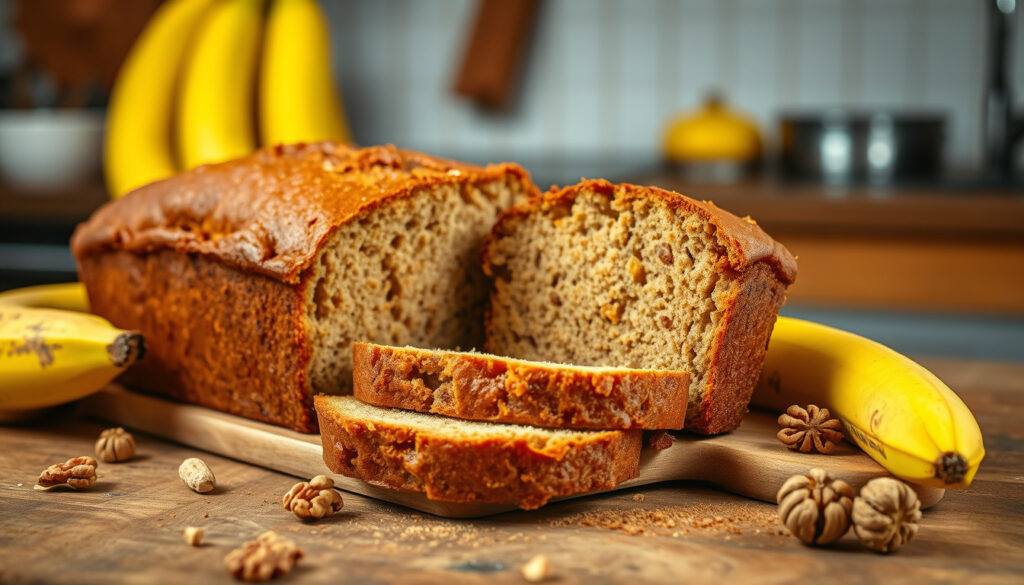
Recipe for Banana Bread – Moist Easy Guide
Banana bread remains one of the most beloved baked goods in home kitchens, transforming overripe fruit into a moist, flavorful loaf that has stood the test of time. This comprehensive guide covers everything from selecting the right bananas to mastering the mixing technique, ensuring consistent results every time you bake.
The beauty of banana bread lies in its simplicity and adaptability. Whether you prefer a classic buttery version or a modern oil-based recipe, the fundamental principles remain the same: use ripe bananas, respect the mixing method, and understand how each ingredient contributes to the final texture.
This article draws from multiple recipe sources and baking experts to provide you with reliable, tested information for creating your perfect loaf.
What Ingredients Do You Need for Banana Bread?
A successful banana bread requires a balanced combination of wet and dry ingredients that work together to create moisture, structure, and flavor. Understanding the role of each component helps you make informed substitutions and troubleshoot problems when they arise.
10 minutes
60 minutes
12 slices
Easy
The following key insights will help you understand the science behind great banana bread:
- Overripe bananas with black spots provide the best natural sweetness and moisture
- Neutral oils like sunflower or coconut create a moister texture than butter
- Applesauce can serve as an egg replacer while adding tenderness
- Do not overmix the batter to prevent a dense, tough crumb
- Fresh leavening agents ensure proper rising during baking
- The batter should be thick but pourable for optimal results
| Ingredient | Quantity | Notes |
|---|---|---|
| Overripe bananas | 4-5 medium | Mashed to 1.5-1.75 cups |
| Neutral oil | 1/2-3/4 cup | Sunflower or coconut oil work well |
| Sugar | 1/2-3/4 cup | White, brown, or raw varieties |
| All-purpose flour | 2 cups | Whole wheat or gluten-free blend possible |
| Baking soda | 1 teaspoon | Ensure freshness for proper rising |
| Baking powder | 1 teaspoon | Provides additional lift |
| Salt | 1/2 teaspoon | Enhances overall flavor |
| Applesauce | 1/2 cup | Egg replacer for binding and tenderness |
How Ripe Should Bananas Be?
The ripeness of your bananas directly impacts the final result. Overripe bananas featuring black spots or completely brown peels have undergone significant starch conversion, breaking down into sugars during the ripening process. This natural transformation provides the sweetness and moisture that distinguish excellent banana bread from mediocre attempts.
Underripe bananas lack this sugar development and moisture content, resulting in a bread that tastes starchy and dries out more quickly. For optimal results, wait until your bananas are thoroughly spotted and the flesh is soft enough to mash easily with a fork.
Frozen bananas work equally well in banana bread recipes. Thaw them completely before using, as the freezing process actually makes them mushier and sweeter. Simply drain any excess liquid and mash as usual.
How to Make Banana Bread Step by Step
The method for making banana bread follows a straightforward two-bowl approach that minimizes cleanup while ensuring proper ingredient incorporation. Following these steps in sequence will help you achieve a consistently moist and tender crumb.
Preparing the Wet Ingredients
Begin by preheating your oven to 350°F (175°C). Grease a 9-inch loaf pan thoroughly with butter or oil to prevent sticking. In a large mixing bowl, combine your mashed bananas with the oil, sugar, vanilla extract if using, and applesauce. Whisk these ingredients together until the mixture is smooth and well combined.
The high water content in ripe bananas—approximately 75%—provides moisture that would normally come from eggs in traditional bread recipes. The pectin in banana flesh acts as a binding agent, while the natural sugars contribute to browning through the Maillard reaction during baking.
Incorporating the Dry Ingredients
In a separate bowl, whisk together the flour, baking soda, baking powder, and salt. This step ensures even distribution of the leavening agents throughout the flour. Gently fold the dry ingredients into the wet mixture using a spatula or wooden spoon.
The cut-and-fold technique proves essential here. Avoid using an electric mixer, as the vigorous incorporation of air combined with gluten development from overmixing creates a dense, tough texture rather than the light, tender crumb you want.
Your batter should be thick but pourable. If it appears too stiff, add 1-2 tablespoons of plant milk or water. The batter should not be smooth—some small lumps of banana are perfectly acceptable and add to the final texture.
Baking Time and Temperature
Pour the batter into your prepared loaf pan and smooth the top with a spatula. Place in the center of your preheated oven. A standard loaf requires 50-60 minutes of baking time, though this varies slightly based on your oven and the exact moisture content of your bananas.
Begin checking for doneness at the 50-minute mark. The bread should be deeply golden brown and a toothpick inserted into the center should emerge with moist crumbs—not wet batter. If the top browns too quickly, tent loosely with aluminum foil after 40 minutes to prevent burning while allowing the center to finish cooking.
For those who prefer muffins, divide the batter among a standard muffin tin and reduce baking time to 20-25 minutes. Core Vegan Banana Bread Recipe provides detailed timing adjustments for various pan sizes.
Common Banana Bread Problems and Fixes
Even experienced bakers encounter issues with banana bread from time to time. Understanding the root causes of common problems helps you identify and correct them quickly, ensuring successful results on subsequent attempts.
Why Is My Banana Bread Dense?
Density in banana bread typically stems from three main sources: overmixing the batter, using underripe bananas, or overbaking. Each of these factors affects the final texture in different ways.
Overmixing develops the gluten in flour, creating a tough, rubbery structure rather than a tender crumb. The solution lies in your technique: fold ingredients gently and stop as soon as the flour disappears. Some visible streaks of flour are preferable to an overworked batter.
Underripe bananas simply cannot provide the moisture and sweetness that fully ripened fruit delivers. If you find yourself with firm, yellow bananas and need to bake immediately, you can accelerate ripening by placing them in a 300°F oven for 15-20 minutes, though this shortcut never quite matches natural ripening.
Old or expired leavening agents fail to produce adequate rise. Test freshness by mixing 1/2 teaspoon baking soda with 2 tablespoons of hot water and a splash of vinegar—it should fizz immediately if the soda remains active.
Can I Substitute Oil for Butter?
Oil serves as an excellent substitute for butter in banana bread, often producing a moister final product. Butter contains water that can create steam during baking, while oil remains stable and coats flour proteins, preventing excessive gluten development.
When using oil, maintain the full quantity specified in your recipe. Reducing oil compromises the tenderizing effect that fat provides. The bread may appear slightly more moist with oil but will not taste greasy if properly proportioned. Coconut oil adds a subtle sweetness, while sunflower oil remains neutral.
If you specifically want to reduce fat content, substituting half the oil with applesauce provides a workable compromise, though the texture will differ slightly from the full-oil version.
How to Store and Freeze Banana Bread
Proper storage maintains the freshness and moisture of your banana bread for days after baking. Understanding these methods helps you plan your baking and minimize food waste.
Room Temperature Storage
Store sliced banana bread in an airtight container at room temperature for up to three days. Ensure the container seals completely to prevent the bread from drying out. The pantry or kitchen counter away from direct sunlight provides ideal conditions. For a quick and flavorful meal, consider trying Makaron z pesto ze słoika.
Refrigeration extends storage to approximately one week, though bread stored this way tends to dry more quickly. If refrigerating, wrap slices individually in plastic wrap and place them in a sealed container. Reheat slices briefly in a toaster or microwave to restore moisture before serving.
Freezing Instructions
Banana bread freezes remarkably well, maintaining both texture and flavor for up to three months when properly wrapped. Either freeze the entire loaf or slice it first for convenient individual portions.
To freeze a whole loaf, allow it to cool completely, then wrap tightly in plastic wrap followed by aluminum foil or place in a freezer-safe bag with excess air removed. For sliced bread, arrange pieces in a single layer in a freezer bag, pressing out air before sealing.
Thaw frozen bread overnight in the refrigerator for best results, or microwave individual slices for 30-45 seconds. The bread will taste freshly baked after reheating, with moisture restored to the crumb.
Banana Bread Timeline: From Prep to Plate
Understanding the complete timeline for banana bread helps you plan your baking session effectively. The following sequence represents the standard process from gathering ingredients to serving:
- Gather and measure ingredients (5 minutes) – Collect all components and prepare your workspace
- Mash bananas and mix wet ingredients (5 minutes) – Ensure bananas are smoothly mashed before combining
- Combine dry ingredients (3 minutes) – Whisk flour and leaveners in a separate bowl
- Fold batter together (2 minutes) – Combine wet and dry using gentle cut-and-fold motion
- Bake in preheated oven (50-60 minutes) – Monitor for browning and test doneness
- Cool in pan (10-15 minutes) – Allow structure to set before removing
- Cool completely on wire rack (30+ minutes) – Prevents soggy bottom and improves slicing
The total time from start to serving-ready bread averages approximately 1 hour 45 minutes to 2 hours, depending on cooling time and pan size. Banana Bread Eggless Vegan Recipe offers additional timing variations for different formats.
What Works and What Remains Uncertain
Reviewing the available evidence helps clarify what we know definitively about banana bread versus areas where variation occurs between recipes and techniques.
Established Facts
- Overripe bananas produce superior flavor and moisture
- Overmixing creates dense, tough bread
- Oil-based recipes tend toward moister results than butter
- Properly stored bread lasts 3 days at room temperature
- Frozen bananas work well when properly thawed
- Baking soda reacts with banana acids for rising
Areas of Variation
- Exact sugar quantities vary by sweetness preference
- Substitution ratios for oil-free versions may affect texture
- Gluten-free flour blends perform differently than wheat flour
- Oven calibration affects precise baking time needed
- Specific add-in quantities depend on personal preference
- Nutrition values represent approximations per slice
The Science Behind Great Banana Bread
Banana bread represents a perfect intersection of ingredient chemistry and baking technique. Each component serves a specific purpose that contributes to the final product.
Bananas function as a multi-purpose ingredient: their pectin provides binding that replaces eggs, their high water content contributes moisture, and their natural sugars promote browning during baking. As bananas ripen, enzymes convert starches to sugars, which explains why spotted bananas taste sweeter than yellow ones.
Baking soda requires acidic environment to activate and produce carbon dioxide bubbles. The natural acids in ripe bananas provide this reaction, creating the rise and tender crumb structure. Without this acid-base interaction, your bread would lack the characteristic light texture.
Oil outperforms butter in egg-free recipes because it emulsifies more readily with the banana puree, distributing evenly throughout the batter and coating flour proteins to limit gluten development. This results in a more tender, moist final product.
Sources and Expert Perspectives
Multiple recipe developers and baking resources have established the techniques and ingredient ratios used in this guide through extensive testing and refinement.
“Overripe bananas with black spots are essential for the best flavor and moisture, as they break down starches into sugars during ripening, creating natural sweetness and tenderness without eggs.”
— Simple Veganista, Vegan Banana Tea Bread
“Mix wet ingredients in one bowl until smooth, then fold in dry gently to avoid toughness—do not overmix.”
— Ale Cooks, Core Vegan Banana Bread Recipe
Summary
Perfect banana bread requires overripe bananas, careful mixing technique, and proper storage. Use 4-5 spotted bananas, substitute oil for butter if desired, and fold ingredients gently to avoid dense results. Bake at 350°F for 50-60 minutes, then store at room temperature for three days or freeze for up to three months. For a Core Vegan Banana Bread Recipe with additional variations, explore the linked resources.
Frequently Asked Questions
What’s the best banana bread recipe?
The best recipe combines overripe bananas with a balanced ratio of oil, sugar, and flour. A tested recipe yielding moist, tender results uses 4-5 mashed bananas, 2 cups flour, 1/2-3/4 cup oil, and standard leavening agents.
Can I make banana bread in a bread machine?
Bread machines can make banana bread using their standard quick bread setting. Add ingredients in the order specified by your machine’s manufacturer, typically liquids first followed by dry ingredients.
How long does homemade banana bread last?
Homemade banana bread keeps for three days at room temperature in an airtight container, one week refrigerated, and up to three months frozen when properly wrapped.
Can I use frozen bananas for banana bread?
Frozen bananas work perfectly for banana bread. Thaw them completely, drain excess liquid, and mash before using. The freezing process actually makes them sweeter and more mashable.
Why did my banana bread turn out dense?
Dense banana bread usually results from overmixing the batter, using underripe bananas, or overbaking. Mix gently with cut-and-fold technique, use spotted overripe bananas, and remove from oven when a toothpick shows moist crumbs.
What can I add to banana bread for variety?
Common additions include walnuts, chocolate chips, blueberries, cinnamon, and nutmeg. Fold these into the batter after combining wet and dry ingredients, reserving about 1/4 cup of add-ins to sprinkle on top if desired.
Can I make banana bread without eggs?
Egg-free banana bread works well because bananas naturally replace eggs through their pectin content for binding, moisture from high water content, and sugars for browning. Applesauce also serves as an effective egg replacer.
More related posts
 Does Walmart Take Apple Pay? (2025 Update) – What to Use Instead
 Right to Bear Arms: 2nd Amendment History, Text & Meaning
 Las Vegas Raiders vs Colts Match Player Stats Breakdown
 CP4 Fuel Pump Lawsuit: Silverado Sierra Settlement Explained
 Pokémon Legends: Z-A Release Date Confirmed for Oct 16, 2025
 Boats for Sale Near Me: Find Used Boats in Ireland | Guide
 Stranger Things Movie Theater Finale: Locations & Tickets
 Venmo Customer Service Number: Phone, Chat & Support Guide