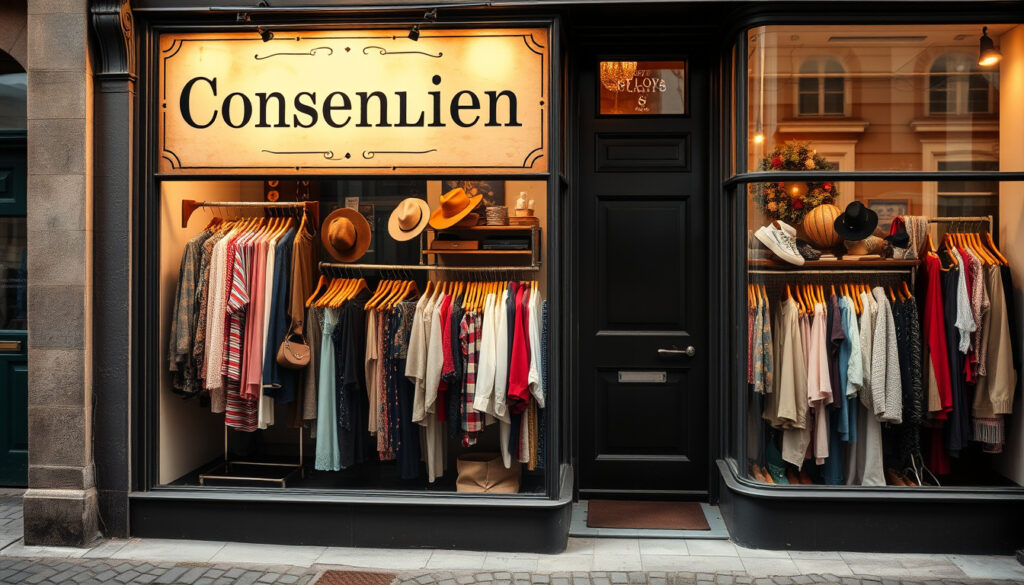
Consignment Stores Near Me: Guide to Selling in Dublin
You have a closet full of clothes you rarely touch and a dining table that no longer fits your flat. That clutter could turn into cash — but only if you understand how consignment works before you walk in the door.
Typical consignment commission: 40–60% of sale price ·
Average time to sell: 30–90 days ·
Top consignment categories: Clothing, handbags, furniture, antiques ·
Consignor payout share: 40–60% after store commission
Quick snapshot
- Consignment stores take a percentage of the sale price as commission (Around the Block, a consignment industry resource)
- Commission rates vary by store and item type (Puppet Vendors, a consignment guide publisher)
- Items that don’t sell within the period are returned or donated (Relove It, a consignment store chain)
- Exact commission percentage for a specific store may not be published online
- How long items typically stay before sale depends on store policy, demand, and season
- Typical consignment period: 30–90 days for clothing, 90–120 days for furniture (Trading Places FAQ)
- Research local consignment stores online, check commission policies, prepare items, and drop off or submit an intake form (Trading Places FAQ)
The guide walks through the process, the commission splits, the best items to sell, and how to find a consignment store near you — with practical tips drawn from real store policies.
| Category | Details |
|---|---|
| Average consignment commission | 40–60% of sale price |
| Typical selling window | 30–90 days |
| Best-selling categories | Clothing, handbags, furniture |
| Notable Dublin stores | Lucy’s Lounge, Cobbler’s Wardrobe, Naphisa |
The biggest mistake new consignors make is assuming all stores work the same. Commission splits, contract terms, and item acceptance policies vary wildly — one store may take 40% on clothing while another takes 60%. A quick phone call saves hours of wasted trips.
How does consignment work?
Consignment is a partnership: you provide the item, the store provides the shelf space, marketing, and checkout. You get paid only after the item sells, and the store keeps a percentage as commission.
What percentage do most consignment stores take?
- Clothing consignment typically sees a 40% to 60% commission for the store. Relove It, a multistate consignment chain pays clothing consignors 45% of the sale price.
- Furniture and home goods often use a 50/50 split, with the store keeping 40–50%. Relove It gives furniture consignors 50%.
- Higher-end and antique furniture can favour the consignor — around 60/40 or 70/30 — according to Puppet Vendors (a consignment industry guide).
- Online-only clothing consignment platforms may take as little as 25–30% commission due to lower overhead.
How do I prepare items for consignment?
- Clean everything thoroughly. Stains, tears, and pet hair reduce acceptance odds.
- Research the item’s resale value using eBay sold listings or similar store prices.
- Fill out any required intake form. Trading Places (a furniture consignment venue in Dublin, Ohio) asks consignors to describe items and submit a request form.
- Confirm the store’s consignment period: Trading Places lists 120 days for furniture, 90 days for home decor.
The implication: preparation is free, but doing it poorly costs you money. A well-presented item sells faster and at a higher price.
Some stores also offer a buy-outright model (like Uptown Cheapskate Dublin, a resale shop in Columbus, Ohio) where you get instant cash but at a lower payout than consignment. Know which model you’re walking into.
What items sell well on consignment?
Not everything is worth your time to consign. Stores have rules about condition, brand, and seasonality.
Best items to consign
- Designer clothing and handbags (high resale value, high demand)
- Vintage and antique pieces (unique, often premium-priced)
- Furniture in good condition — wood, leather, mid-century modern sell best
- Pictures, mirrors, chairs, desks (accepted by many stores — The Dragonfly Consignment Shop, a locally owned store lists these categories)
What to avoid consigning
- Fast fashion brands (low resale; many stores reject them outright)
- Damaged items (rips, stains, broken zippers)
- Electronics (depreciate quickly, often not accepted)
- Baby clothes (oversupply, low prices)
- Seasonal items out of season (store may delay acceptance)
The pattern: stores want items that sell fast and at a high margin. If it’s common or worn, it’s better to donate.
Two key facts: highest return items are designer handbags and vintage furniture. Lowest return: basic fast fashion. Around the Block (consignment resource) notes that a fair 60:40 split in favour of the consignor is common for premium items.
How to get the most money from consignment
Tips for making money selling at consignment shops
- Clean and present items well — first impressions matter to store staff.
- Consign high-demand items (designer, vintage, furniture) for better commission splits.
- Negotiate commission rates if you have multiple high-value pieces.
- Time your consignment seasonally: winter coats in fall, patio furniture in spring.
How to price items for consignment
- Research sold prices on eBay or Poshmark for similar items.
- Let the store price based on its market knowledge — but ask about their pricing strategy before you agree.
- If the store reduces prices automatically (e.g., Relove It reduces furniture 25% in the last month), factor that into your expected payout.
The catch: the store controls pricing and markdown timing. You can reject a price you think is too low, but that often means taking the item back.
Higher-end consignment stores like Trading Places (a furniture consignment venue) offer better commission splits for premium furniture but stricter acceptance criteria. Fast-turnaround stores take more items but pay less per piece.
Is consignment better than donating?
Both have a place. Consignment pays cash; donation gives a tax deduction. But the real difference is effort and risk.
| Factor | Consignment | Donation |
|---|---|---|
| Payout | Cash after sale (40–60% of price) | Tax deduction (value at your tax rate) |
| Effort | Clean, transport, wait, possibly pick up unsold items | Drop off, receipt |
| Risk | Item may not sell; you get nothing | No risk; you lose potential cash |
| Best for | High-value items you’re willing to wait on | Lower-value items, quick declutter |
What are the downsides of consignment?
Upsides
- Earn money from items you no longer need
- Store handles pricing, display, marketing
- No upfront cost to list
Downsides
- You take a significant commission hit (40–60%)
- Wait up to 3 months for payment — if items sell
- Unsold items must be picked up or are donated
- Requires upfront cleaning and transport
What this means: consignment is for people with quality items and patience. Donation is for speed and simplicity. If you’re in the 40% tax bracket and donate items worth €500, that deduction could be worth €200 — comparable to a consignment payout on a €300 item but with zero risk.
Where can I find consignment stores near me?
How to find furniture consignment stores near me
- Search Google Maps with terms like “furniture consignment near me” and check ratings.
- Look for stores that specialize in furniture and home decor, like Trading Places (furniture consignment marketplace) — they handle appraisal, photography, and marketing.
- Ask about commission rates and contract terms before dropping off.
How to find clothing consignment stores near me
- Use Yelp or local business directories with keywords “clothing consignment” or “resale boutique”.
- Check for stores that accept women’s, men’s, and children’s clothing.
- Read reviews about intake policies and payout speed.
Best consignment stores in Dublin (Ohio and Dublin, Ireland)
For readers in Dublin, Ohio, notable consignment options include Trading Places (furniture consignment), Relove It (clothing and furniture), and The Dragonfly Consignment Shop (locally owned, home goods). For readers in Dublin, Ireland, local shops like Lucy’s Lounge, Cobbler’s Wardrobe, and Naphisa Designer Resale are commonly mentioned in local guides — always check the latest commission policies via their websites or a phone call.
The pattern: the best store for you depends on what you’re selling. Furniture consignors should prioritize stores with 90–120 day terms and transparent markdown policies. Clothing sellers should look for 45% or better split.
Summary
Consignment is a practical way to earn cash from unused items — but it’s not passive income. You need to choose the right store, prepare your items well, and accept that you won’t get full retail value. For Irish sellers, the decision is simple: if you have quality designer pieces or sturdy furniture, consigning beats donating. If you’re short on time or selling everyday items, donation or online resale may serve you better. Around the Block’s guide sums it up: a fair 60/40 split is the goal — and knowing that number before you walk in makes all the difference.
aroundtheblock.com, coastconsignment.com, facebook.com, thehomeconsignmentcenter.com, one-dublin.org, tradingplacesoh.com, facebook.com
For anyone wondering how consignment works in Dublin, consignment stores in Dublin offers a clear overview of the process.
Frequently asked questions
What is the difference between consignment and thrift stores?
Thrift stores buy inventory upfront or accept donations, then set their own prices. Consignment stores sell items on your behalf, paying you only after the sale. With consignment, you maintain ownership until the item sells.
Can I consign items online?
Yes. Online-only consignment platforms like ThredUp and The RealReal accept clothing and accessories via mail. Commission rates can be lower (25–35%) due to reduced overhead, but you ship items in and wait for them to sell.
How do I pay taxes on consignment income?
In Ireland, consignment income is generally considered taxable if you earn over the annual threshold. Keep records of sales, commissions, and expenses. Consult a tax advisor for your specific situation.
What happens if my consigned item never sells?
Most stores will return the item to you after the consignment period ends. Some stores automatically donate unsold items after a set time — ask about their policy before agreeing.
Do consignment stores accept all brands?
No. Most stores accept only brands they consider resalable. Designer labels, high-end brands, and well-known furniture makers are preferred. Fast fashion and off-brands are often rejected.
How long does it take to get paid after an item sells?
Payout schedules vary. Some stores pay monthly, others quarterly, and some pay immediately after the sale. Always ask for the payment timeline in writing.
Can I consign multiple items at once?
Yes. Many stores accept multiple items in one visit, but they may limit the quantity per intake session. Check ahead, especially for furniture stores that require appointment for large items.
Related reading: Plato’s Closet Near Me: Accept, Payout & Tips · How to Make Money Fast: Legit Ways to Earn Cash Today
More related posts
 What is the Mean in Math? Definition, Formula & Examples
 Jersey Mike’s Near Me: Menu, Prices & UK Expansion
 Neiman Marcu Chicken Ca erole: Recipe, Hi tory, Side
 Ashwagandha Benefits for Women: Hormones, Stress Relief
 Plato’s Closet Near Me: Accept, Payout & Tips
 Full ZIP Code Lookup: How to Find 9-Digit ZIP+4 Codes
 Buccaneers vs Rams Match Player Stats: Game Recap & Analysis
 Steven Yeun Movies and TV Shows: From Glenn Rhee to Oscar Nominee