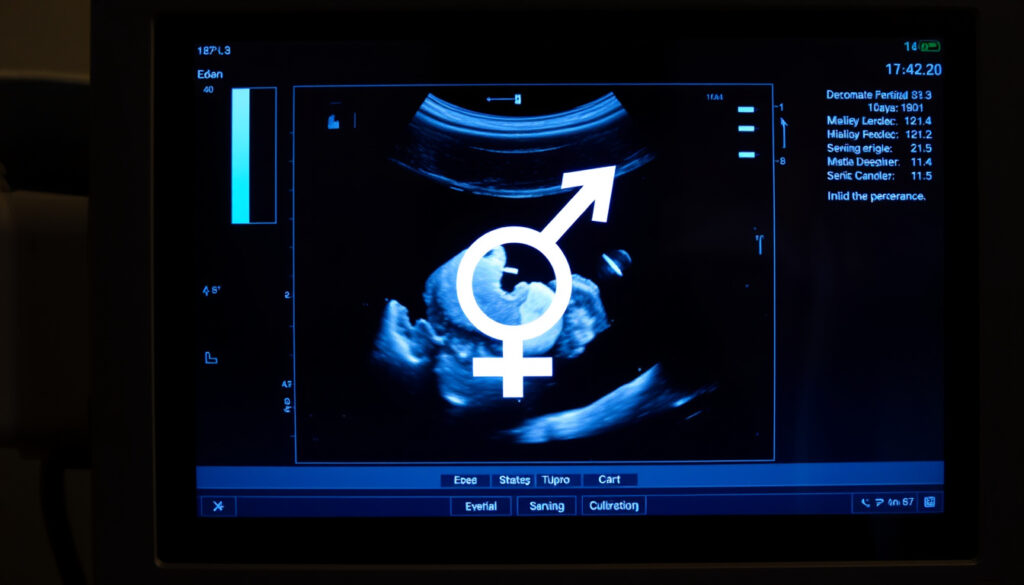
Can Men Get Pregnant? Facts, Myths, and Future Possibilities
The question “Can men get pregnant?” doesn’t have a single yes-or-no answer – and that’s exactly why it sparks so much confusion. For transgender men who still have a uterus and ovaries, pregnancy is a documented medical reality, with multiple case reports published in peer-reviewed journals between 2010 and 2022 (Current Opinion in Obstetrics and Gynecology). For cisgender men, biological pregnancy remains impossible without a uterine transplant, a procedure still in its experimental stages.
Biological requirement: Uterus and at least one functioning ovary · Hormone therapy pause: Typically 2–5 months before attempting conception · Documented cases: Multiple case reports in peer-reviewed journals (2010–2022)
Quick snapshot
- Transgender men with intact reproductive organs can become pregnant and give birth (Cleveland Clinic)
- Cisgender men cannot become pregnant because they lack a uterus (Cleveland Clinic)
- When uterine transplant will be available for cisgender men
- Long-term health outcomes for children born to transgender men
- 2014: First live birth after a uterus transplant (Sweden, Nature Medicine)
- 2023: First live birth after uterus transplant in the U.S. (UAB News)
- Potential first human uterine transplant in a cisgender man – possibly by 2026 if ethical and technical hurdles are overcome
- Animal studies for male uterine transplants ongoing as of 2024
The table below compresses the most common bottom-line questions about male pregnancy into a single view:
| Question | Answer | Source |
|---|---|---|
| Pregnancy possible for transgender men with uterus? | Yes | Cleveland Clinic |
| Pregnancy possible for cisgender men? | No, without a uterus and ovaries | Cleveland Clinic |
| Uterine transplant performed on cis men? | No, still experimental | FIGO |
| Testosterone must be stopped before pregnancy? | Yes, usually 2–5 months | Planned Parenthood |
| Legal recognition of male pregnancy? | Varies by jurisdiction | Varies |
Can a man get pregnant naturally?
What does “naturally” mean in this context?
- Natural pregnancy means conception through unprotected intercourse without medical assistance.
- For people with a uterus and functioning ovaries, natural pregnancy is biologically possible.
For cisgender men, “naturally” is moot: they lack the necessary reproductive organs. As Cleveland Clinic explains, “In mainstream medical usage, pregnancy requires a uterus; cisgender men cannot become pregnant because they do not have a uterus.”
Why natural pregnancy is not possible for cisgender men
Cisgender male anatomy includes a prostate, seminal vesicles, and a penis – but no uterus, fallopian tubes, or ovaries. Without a uterus to implant an embryo and nurture a fetus, natural pregnancy is anatomically impossible. The only hypothetical pathway is a uterine transplant, which FIGO describes as “a high-risk, specialized procedure intended for people with absolute uterine factor infertility” – not a routine option for cisgender men.
Natural pregnancy for transgender men: is it possible?
- Yes – if they have a uterus, at least one ovary, and intact reproductive anatomy.
- They must stop testosterone therapy to allow ovulation to resume.
- Conception can then occur naturally with a sperm source.
Planned Parenthood notes: “Testosterone is not birth control, and pregnancy can occur while taking testosterone,” but advises that people who want to conceive should stop testosterone before trying. Mayo Clinic adds that fertility often returns after stopping, but the timing is variable.
The implication: the term “natural” in this context has less to do with identity and everything to do with anatomy.
Can men get pregnant now?
Current medical options for transgender men
- Natural conception (if ovaries and uterus are present).
- Intrauterine insemination (IUI) or in vitro fertilization (IVF) using donor or partner sperm.
- Fertility preservation (egg or embryo freezing) before starting testosterone.
Johns Hopkins Medicine outlines that assisted reproduction options for transgender men can include donor sperm, IUI, and IVF, depending on personal anatomy and goals. The American Society for Reproductive Medicine states that testosterone should be discontinued before conception attempts in people with a uterus.
Uterine transplant as an experimental option for cisgender men
Uterine transplantation has produced live births in cisgender women – the first in Sweden in 2014 (Nature Medicine), followed by the U.S. and U.K. in 2023 (UAB News, BBC News). No program has yet offered a uterus transplant to a cisgender man. Animal studies are ongoing, but human trials face significant ethical and immunological hurdles.
Legal recognition of male pregnancy today
In some jurisdictions – such as California and several U.S. states – a transgender man who gives birth can be listed as the parent on the child’s birth certificate. Elsewhere, laws may default to “mother” for the birth parent, creating bureaucratic friction. The patchwork of laws means the legal reality of male pregnancy varies widely by location.
The pattern: for transgender men, the window is open; for cisgender men, it remains firmly shut until experimental medicine advances.
Can men get pregnant if they have a uterus?
Which men have a uterus?
- Transgender men who were assigned female at birth and have not undergone hysterectomy.
- Some nonbinary people assigned female at birth with intact reproductive anatomy.
As Cleveland Clinic explains, “Transgender men and some nonbinary people can become pregnant if they have a uterus, ovaries, and an intact reproductive tract.” The uterus is a prerequisite; without it, pregnancy cannot occur.
Role of ovaries and fallopian tubes
Beyond just a uterus, the presence of at least one functioning ovary is needed to produce eggs. The fallopian tubes allow the egg to meet sperm. Natural conception thus requires both uterus and at least one ovary with a patent fallopian tube. Transgender men who have undergone oophorectomy (removal of ovaries) cannot produce eggs and would need an egg donor and a uterus.
Pregnancy after gender-affirming surgery (e.g., hysterectomy)
Once a hysterectomy is performed – removal of the uterus and often the cervix – pregnancy is no longer possible. Some transgender men choose hysterectomy as part of gender-affirming care. In those cases, alternative pathways such as gestational surrogacy (using a surrogate’s uterus) may be an option, but that falls outside male pregnancy.
The catch: “If you have a uterus” is the decisive variable – not gender identity.
Can men get pregnant without being trans?
Cisgender male anatomy and pregnancy
Cisgender men are born with a penis, testicles, and a prostate – they do not have a uterus or ovaries. Without these organs, natural pregnancy is biologically impossible. Medical science has not yet found a way to grow a uterus inside a cisgender man or to implant an embryo without a uterine environment.
Experimental uterine transplants in cis men
Researchers have performed uterine transplants in male animal models, but no human trial for cisgender men has been approved. The procedure would require the recipient to take immunosuppressive drugs for the duration of the transplant, which carries infection and cancer risks. FIGO notes that current programs require embryo creation via IVF before transplant – a step that would necessitate an egg donor for cisgender men.
Future possibilities: ectogenesis and artificial wombs
Artificial womb technology (ectogenesis) is being developed for premature infants, with animal models showing success. A full artificial womb that can support a fetus from conception to term in humans does not exist. If it did, it could theoretically allow a cisgender man to have a biological child using his sperm and a donor egg, without needing a uterus – but that is at least a decade away, if not more.
The pattern: every proposed pathway for cisgender male pregnancy requires technology that either doesn’t exist yet or hasn’t been tried in humans.
Can men get pregnant with surgery?
Types of surgery: uterine transplant vs. IVF
- Uterine transplant: Requires major surgery to implant a donated uterus.
- IVF (for transgender men): Involves egg retrieval and embryo transfer – no surgery on the uterus is needed if it is already present.
Uterine transplant is the only surgical option that could theoretically allow a cisgender man to become pregnant. Johns Hopkins Medicine describes the process: recipients undergo extensive selection, embryo creation via IVF, major transplant surgery, immunosuppression, and later embryo transfer.
Success rates of uterine transplant in women
In cisgender women with uterine factor infertility, uterine transplant has achieved live birth rates approaching 80% in some programs (e.g., a Swedish study reported 9 live births from 9 transplants). But these successes come with high surgical risk, immunosuppression side effects, and the need for later removal of the uterus.
Ethical and medical challenges for men
Transplanting a uterus into a cisgender male body raises additional challenges: the male pelvis is shaped differently, the blood supply to the pelvic area is not designed for a uterus, and the hormonal environment must be carefully managed to support pregnancy. No ethics board has yet approved a human trial for male uterine transplant.
The catch: even if a transplant were successful, the process is so resource-intensive that it would only be available to a very small number of people.
Can men get pregnant and give birth?
The full pregnancy journey for transgender men
- Prenatal care tailored to transgender patients, including monitoring for testosterone levels.
- Pregnancy can be carried to full term (37-42 weeks).
- Vaginal birth or cesarean section is possible depending on individual anatomy and health.
ACOG recommends that before attempting conception, clinicians review hormone history, menstrual status, pelvic anatomy, and fertility preservation options. The pregnancy itself is similar to any pregnancy, though psychosocial support and chest care may differ.
Labor and delivery options
Transgender men can give birth vaginally or by C-section, depending on medical indications and personal preference. Some may experience chest dysphoria during labor; hospital staff can accommodate by using affirming language and providing chest binders if safe.
Postpartum considerations and chestfeeding
Mayo Clinic notes that breastfeeding or chestfeeding may be affected by prior testosterone use, so the timing of restarting testosterone after delivery is individualized. Some transgender men choose to chestfeed without issues; others may have reduced milk production if they had chest surgery or used testosterone long-term.
The implication: the ability to give birth is not exclusive to women.
Timeline: Key milestones in male pregnancy research
- 2010–2022: Multiple case reports of pregnancy in transgender men published in peer-reviewed journals (Current Opinion in Obstetrics and Gynecology).
- 2014: First live birth after a uterus transplant from a deceased donor (Sweden) – in a cisgender woman (Nature Medicine).
- 2021: First dead-donor uterine transplant results in live birth in the U.S. (UAB News).
- 2023: First uterine transplant live births in the U.K. (BBC News).
- 2024: Animal studies for uterine transplant in male subjects continue.
- 2026 (projected): Potential first human uterine transplant in a cisgender man if ethical and technical hurdles are overcome.
What’s confirmed and what’s unclear
Confirmed facts
- Transgender men with intact reproductive organs can become pregnant and give birth (Cleveland Clinic).
- Cisgender men cannot currently become pregnant without a uterine transplant (FIGO).
- Testosterone therapy must be discontinued to allow ovulation (ASRM).
What’s unclear
- When uterine transplant will be available for cisgender men.
- Long-term health outcomes for children born to transgender men.
- Whether artificial wombs will be a viable option within the next decade.
Voices from the field
Yes, it’s possible for men to become pregnant and give birth to children of their own.
— Healthline editorial team (Healthline)
Specifically, transgender men and non-binary people with a uterus and functioning ovaries can conceive and carry a pregnancy.
— GenderGP blog (GenderGP)
The takeaway for readers
For transgender men considering parenthood, the decision to pause testosterone and pursue pregnancy requires careful planning with a healthcare provider – but the path is medically proven and increasingly supported by clinics. For cisgender men, the desire to carry a biological child remains a future dream, one that will require major breakthroughs in transplant medicine or artificial womb technology. Until then, the answer to “Can men get pregnant?” will always start with “It depends” – and the most important factor is whether you have a uterus.
Related reading: **Heart Palpitations After Eating: Causes, Relief & When to Worry** · **What Is a Good Resting Heart Rate? Normal Ranges by Age & Gender**
tommys.org, malereproduction.com, givffertility.com, wenatal.com, mayoclinic.org, reprounion.eu, marchofdimes.org, americanpregnancy.org
Frequently asked questions
Can men get pregnant after a hysterectomy?
No. If the uterus is removed (hysterectomy), pregnancy is no longer possible. Transgender men who have had a hysterectomy cannot carry a pregnancy themselves.
Can men get pregnant if they have no ovaries?
If the ovaries have been removed (oophorectomy), natural pregnancy is impossible because no eggs are produced. However, IVF with a donor egg and a uterus could still work if the uterus is intact.
Is pregnancy safe for transgender men?
Generally, pregnancy in transgender men is considered safe with appropriate prenatal care. There may be increased risks if testosterone was used long-term, but most studies show outcomes similar to cisgender women.
What are the costs of fertility treatment for transgender men?
Costs vary widely by location and insurance coverage. IUI may cost $300–$1000 per cycle without insurance; IVF can range from $10,000–$20,000 per cycle. Some states mandate fertility coverage for transgender individuals.
Can a man get pregnant via uterine transplant?
Not yet. Uterine transplant has been performed in cisgender women with success, but no human trial for cisgender men has been approved. It remains experimental.
Do transgender men need to stop testosterone permanently to get pregnant?
No. Testosterone is typically stopped 2–5 months before attempting conception to allow ovulation to resume. After delivery, testosterone can be restarted, depending on feeding plans.
What legal documents are needed for a transgender man to be listed as a parent?
Requirements vary by jurisdiction. Some places allow a birth certificate to list “parent” instead of “mother,” while others require a court order or legal parentage judgment. Consulting an LGBTQ+ family law attorney is recommended.
More related posts
 15 Best Things to Do in Chattanooga (2025) – Local’s Guide
 Nintendo Switch 2 Restock – Where and When to Buy
 Horseback Riding Near Me: Ireland’s Costs, Rules & Where to Ride
 Jersey Mike’s Near Me: Menu, Prices & UK Expansion
 Brazil Serie A Standings – 2024 Final Table and Champions
 Portugal vs Spain: Rivalry History, 2025 Final & Ronaldo
 2025 Tesla Model Y: Pricing, Comparison, and Common Complaints
 Hayden Panettiere Movies and TV Shows: Full Guide