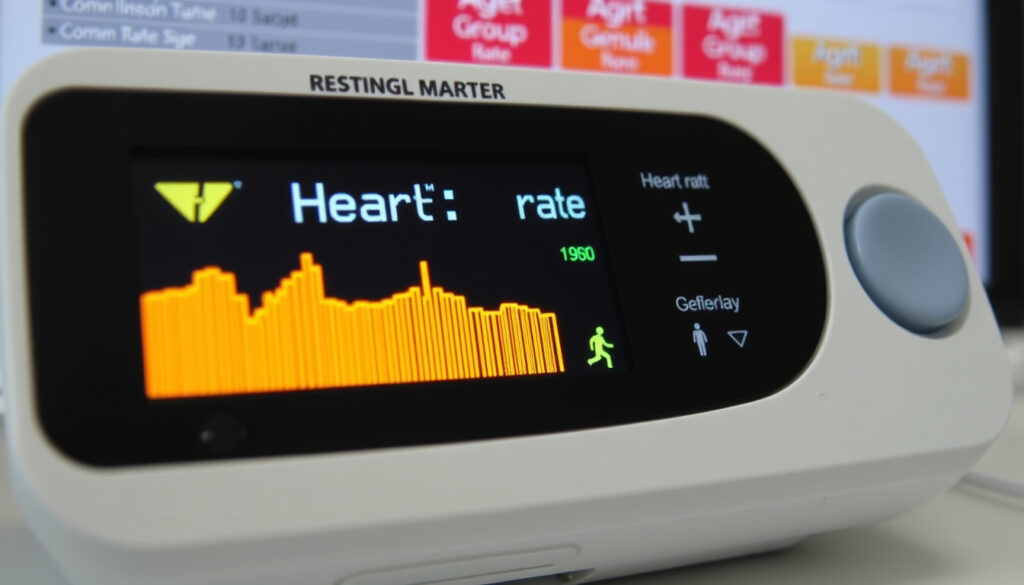
What Is a Good Resting Heart Rate? Normal Ranges by Age & Gender
You’ve probably seen that 60–100 bpm number on a medical chart—but does it tell the whole story? For most adults, that range is normal, but age, fitness level, and gender shift what’s “good” for you individually, and this article breaks down those norms while explaining when a number might signal something serious.
Normal adult resting heart rate range: 60–100 bpm ·
Healthy adult range (Harvard): 55–85 bpm ·
Athlete resting heart rate: Often 40–60 bpm ·
Children (6–15 years) typical range: 70–100 bpm
Quick snapshot
- Normal adult resting heart rate is 60–100 bpm (American Heart Association)
- Athletes often have resting heart rates as low as 40–60 bpm (Mayo Clinic)
- Exact normal range for very elderly individuals is less studied
- Impact of subclinical conditions on heart rate variability remains uncertain
- Consistent readings above 100 bpm or below 60 bpm with symptoms may signal underlying conditions (Mayo Clinic)
- If your resting heart rate is consistently outside the normal range or you have symptoms, consult a healthcare provider (American Heart Association)
Six key facts, one takeaway: individual context matters more than a single number.
| Fact | Value |
|---|---|
| Normal adult resting heart rate | 60–100 bpm (Cleveland Clinic) |
| Healthy adult range (Harvard) | 55–85 bpm |
| Athlete resting heart rate | Often 40–60 bpm |
| Children (6–15 years) | 70–100 bpm |
| Dangerous high threshold | Consistently >100 bpm (tachycardia) |
| Dangerous low threshold | <60 bpm with symptoms (bradycardia) |
What is a good resting heart rate by age?
Normal resting heart rate by age for adults
Adults (18+): 60–100 bpm · Healthy adults: 55–85 bpm · Athletes: 40–60 bpm
For most adults, the standard 60–100 bpm range applies, but the American Heart Association notes that a well-conditioned athlete may have a resting heart rate as low as 40 bpm. Meanwhile, Harvard Health suggests a “healthy” range of 55–85 bpm for adults without heart conditions (Harvard Health).
Children and teens: typical ranges
- Newborn (0–4 weeks): 100–205 bpm (Cleveland Clinic)
- Children 1–5 years: 80–120 bpm (CDC)
- Children 6–15 years: 70–100 bpm (CDC/NIOSH)
- Adolescents 13–17 years: 60–100 bpm (Cleveland Clinic)
Children’s heart rates naturally slow as they grow, reaching adult norms by the late teens.
Gender differences in resting heart rate
Women’s resting heart rates naturally run 3–7 bpm higher than men’s. The gap is largely anatomical—a smaller heart pumps less blood per beat, so it beats faster (Harvard Health).
For women, a typical range is 65–90 bpm; for men, 60–85 bpm.
The implication: Age and sex are the primary frames for evaluating your resting heart rate. A 72 bpm reading means different things for a 25-year-old athlete and a 70-year-old woman.
What is a normal resting heart rate?
How to check your pulse accurately
- Sit or lie down and rest for at least 5 minutes.
- Place your index and middle fingers on your wrist (radial artery) or neck (carotid artery).
- Count the beats for 30 seconds and multiply by 2 (Cleveland Clinic).
For accuracy, take measurements at the same time each day, before caffeine or exercise.
Factors that affect resting heart rate
- Physical activity level: Regular exercise lowers resting heart rate.
- Emotions: Stress and anxiety can raise it.
- Temperature: Hot weather increases heart rate.
- Medications: Beta-blockers lower it; thyroid medication may raise it.
When to see a doctor
If your resting heart rate is consistently above 100 bpm or below 60 bpm and accompanied by dizziness, shortness of breath, or chest pain, seek medical evaluation (Mayo Clinic).
The catch: A single reading is rarely cause for alarm—trends over days and weeks matter more.
Is a resting heart rate of 72 bad?
Interpreting 72 bpm in context
72 bpm is within the normal range (60–100) · Above average compared to 55–85 healthy range
For a sedentary person, 72 bpm is unremarkable. For a long-distance runner, it’s relatively high. Context is everything.
Comparing 45, 50, 55, and 80 bpm
- 45 bpm: Common in elite athletes; may be normal for them, but could be bradycardia in others.
- 50 bpm: Considered low; healthy for fit individuals, less common in sedentary people.
- 55 bpm: Normal for active individuals (Harvard Health).
- 80 bpm: Within normal range but on the higher side; consistent 80+ may indicate lower fitness.
Athletic vs. sedentary heart rates
A heart rate of 50 bpm may signal excellent cardiovascular fitness in a marathoner, but could be a red flag in a sedentary person with symptoms.
Why this matters: Comparing your heart rate to others’ is less useful than comparing it to your own previous readings. A 10 bpm increase over a month is more telling than a single 72 bpm number.
What is an unsafe resting heart rate?
Tachycardia: when the heart beats too fast
- Resting rate consistently above 100 bpm may indicate tachycardia (Mayo Clinic).
- Symptoms: palpitations, chest pain, shortness of breath.
Bradycardia: when the heart beats too slow
- Resting rate below 60 bpm may be bradycardia, but not always dangerous (American Heart Association).
- Dangerous bradycardia often accompanied by dizziness, fainting, fatigue.
Symptoms that make a low or high rate dangerous
If a low or high heart rate comes with fainting, chest pain, or severe fatigue, seek immediate medical help (American Heart Association).
The trade-off: A low resting heart rate can be a sign of fitness or a sign of a problem—symptoms determine which.
What are the signs of an unhealthy heart?
Four signs your heart may be quietly failing
- Shortness of breath during ordinary activity
- Fatigue that doesn’t go away with rest
- Swelling in the legs, ankles, or feet
- Irregular heartbeat or feeling of a racing heart (American Heart Association)
How resting heart rate relates to heart health
- Consistently abnormal resting heart rate can be a warning sign of heart disease (Mayo Clinic).
- An increase of 10 bpm over time is linked to higher risk of cardiovascular events.
When to seek emergency care
Sudden changes in heart rate, especially with chest pain, fainting, or severe shortness of breath, require emergency medical attention.
The pattern: Resting heart rate is one piece of the puzzle—look at it alongside other symptoms for a clearer picture.
Five common resting heart rate values, one pattern: context determines safety.
| Resting Heart Rate | Typical Person | Health Interpretation |
|---|---|---|
| 45 bpm | Elite athlete | Normal if no symptoms |
| 50 bpm | Active individual | Healthy, but monitor if new or symptomatic |
| 55 bpm | Fit person | Normal for active lifestyle (Harvard Health) |
| 72 bpm | Average adult | Normal (60–100 range) but higher end of healthy |
| 80 bpm | Sedentary adult | Normal but may indicate lower cardiovascular fitness |
| 100 bpm+ | Any adult (resting) | Above normal; may indicate tachycardia (Mayo Clinic) |
How to Check Your Pulse Accurately
A few simple steps, one goal: get a reliable number.
- Rest for at least 5 minutes in a seated or lying position.
- Place the pads of your index and middle fingers on your wrist, below the thumb (radial pulse), or on the side of your neck (carotid pulse).
- Count the number of beats for 30 seconds and double it to get beats per minute (Cleveland Clinic).
- Repeat three mornings in a row for a baseline average.
The purpose: A consistent baseline reveals trends that matter more than any single reading.
Confirmed facts
- Normal adult resting heart rate is 60–100 bpm
- Athletes often have lower resting heart rates (Mayo Clinic)
- Heart rate consistently above 100 may indicate tachycardia (Mayo Clinic)
- Heart rate consistently below 60 with symptoms may indicate bradycardia (American Heart Association)
What’s unclear
- Exact normal range for very elderly individuals is less studied
- Impact of subclinical conditions on heart rate variability
“The normal resting heart rate for most adults is 60 to 100 beats per minute.”
— Cleveland Clinic
“A normal resting heart rate for adults ranges from 60 to 100 beats per minute.”
— Mayo Clinic
“An athlete or more active person may have a resting heart rate as low as 40 beats per minute.”
— American Heart Association
“Women tend to have slightly higher resting heart rates than men.”
— Harvard Health
For anyone tracking their heart health, the message is clear: a single number never tells the full story. Your resting heart rate is a valuable baseline, but it must be interpreted within your age, fitness level, and any accompanying symptoms. If you notice a persistent upward or downward trend—or if you experience dizziness, chest pain, or shortness of breath—see a doctor. The trade-off between normal range and optimal health is personal, and knowing yours could save your life.
cardiaccarepc.com, asianheartinstitute.org, medicinenet.com, everlywell.com
Frequently asked questions
How can I lower my resting heart rate naturally?
Regular aerobic exercise, staying hydrated, reducing stress, and limiting caffeine can help lower your resting heart rate over time (American Heart Association).
Does caffeine increase resting heart rate?
Yes, caffeine is a stimulant that can temporarily raise heart rate. Sensitivity varies by individual.
Can anxiety cause a high resting heart rate?
Yes, stress and anxiety activate the sympathetic nervous system, increasing heart rate. Chronic anxiety may lead to persistently higher resting rates.
What is the normal heart rate for a woman during pregnancy?
During pregnancy, heart rate increases by about 10–20 bpm to support the growing fetus. Ranges of 70–100 bpm are common, but consult your doctor.
Is a resting heart rate of 55 too low for a non-athlete?
Not necessarily. If you are active and have no symptoms like dizziness or fatigue, 55 bpm can be normal. However, if you are sedentary and experience symptoms, discuss it with a healthcare provider.
How long should I rest before checking my pulse?
Rest at least 5 minutes in a quiet, seated position before taking a resting heart rate measurement (Cleveland Clinic).
What medications affect resting heart rate?
Beta-blockers (e.g., metoprolol) lower heart rate, while thyroid medications, some antidepressants, and decongestants may raise it.
More related posts
 Are Pistachios Good for You? Health Benefits & Nutrition
 What Is Implantation Bleeding? Signs, Timing, vs Period
 Dollar to Mexican Peso: 2025 Exchange Rates & Travel Tips
 Blinded by the Light Lyrics – Meaning and Deuce Explained
 State Farm Home Insurance: Reputation, Cost & Complaints 2026
 Fruit Riot Sour Grapes: Buy, Reviews & Copycat Recipe
 Inside Out San Diego: Menu, Hours, Parking, and More
 New York Times Login: Access, Troubleshoot & Manage