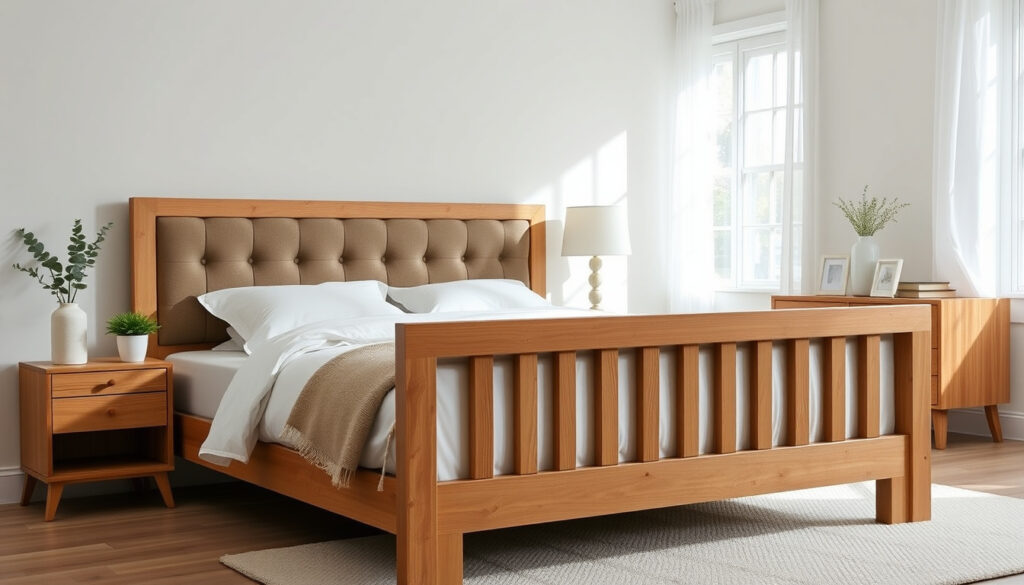
Full Size Bed Frame: Dimensions, Cost, and Couples Guide
Choosing a bed frame sounds simple until you realize how many options exist. For anyone shopping for a full-size bed frame, the real questions are about fit, cost, and who it’s actually made for. A standard full mattress measures 54 inches wide by 75 inches long, and the frame itself can add a few inches to those numbers. This guide breaks down everything from dimensions and pricing to whether a full bed works for couples, tall sleepers, or a spare room — with concrete numbers and expert sources.
Standard full mattress dimensions: 54″ x 75″ ·
Typical full bed frame price range: $100 – $300 ·
Common full bed frame materials: Wood, metal, upholstered ·
Weight capacity of a full bed frame: 500–800 lbs depending on model
Quick snapshot
- Full and double mattresses are identical in size (DutchCrafters, Amish furniture authority)
- Full bed frames are designed for a 54×75 full mattress (Purple, mattress brand and industry source)
- Full bed is 6 inches narrower than queen (Sleep Foundation, nonprofit sleep health organization)
- Basic metal full frames start under $200 (Homes & Gardens, home design authority)
- Comfort for two adults depends heavily on sleep style and body size
- Exact weight capacity varies by manufacturer
- Storage availability varies by region and retailer
- No specific timeline data for this product category
- Evaluate your room size and budget before purchasing
- Consider material and storage needs
Here are the core specifications for a full-size bed frame at a glance.
| Label | Value |
|---|---|
| Full mattress width | 54 inches |
| Full mattress length | 75 inches |
| Average full bed frame weight | 50–100 lbs |
| Typical frame height (no mattress) | 14–18 inches |
What size bed frame is a full?
How big is a full-size bed?
A full-size mattress is 54 inches wide by 75 inches long, according to DutchCrafters (Amish furniture authority). The bed frame that holds it is usually a bit bigger. Purple (mattress brand and industry source) states that a full-size bed frame measures roughly 56 to 59 inches wide and 77 to 80 inches long. Casper (mattress manufacturer) adds that frames can add an extra 2 to 5 inches on each side. That means the total footprint of a full bed with frame can be 56–60 inches wide and 76–81 inches long.
Is a full-size frame the same as a queen?
No. A queen mattress is 60 inches wide by 80 inches long — 6 inches wider and 5 inches longer than a full. The Sleep Foundation (nonprofit sleep health organization) notes that bed frame dimensions are designed around these six standard mattress sizes. Full frames cannot accommodate a queen mattress without overhang or instability.
Can a 6’4″ person fit on a full size bed?
A 6’4″ person may fit lengthwise if the frame allows extra clearance. The mattress itself is 75 inches long (6’3″), so taller individuals will have their feet hanging off unless the frame adds a few inches. Max & Lily (kids’ furniture specialist) says full-size bed frames are typically 77–82 inches long, which can accommodate 6’4″ if the design allows. But for comfort, a queen or king is usually recommended for people over 6 feet.
Bottom line: A full bed frame is roughly 54–60 inches wide and 75–82 inches long. It’s not interchangeable with queen. Tall sleepers should expect a short fit.
Full frames offer a narrower footprint than queen — about 6 inches less width. For a single adult, that’s plenty. For a couple, those 6 inches make a real difference in sleep quality.
Is a full size bed for 2 adults?
Can a married couple sleep in a full-size bed?
A full-size bed is 54 inches wide, which gives each person only 27 inches of space — less than a twin mattress (38 inches). Consumer Reports (product testing organization) notes that shared sleepers each need at least 30 inches of width for decent comfort. Some couples manage fine if they sleep close together, but many find it cramped.
Can couples sleep comfortably on a full size mattress?
Comfort depends on sleep style, body size, and whether the couple uses the German bed method — separate duvets and independent mattress halves. Sleep Foundation suggests that a full bed is better suited for a single sleeper or couples who don’t mind close contact. The limited width means each person is more likely to be disturbed by the other’s movements.
What is the
More related posts
 How to Make Risotto: Step-by-Step Guide & Health Considerations
 System of a Down Tour 2026: Dates, Europe, UK Tickets
 Full Moon August 2025 – Date, Times and Viewing Guide
 9-1-1: Lone Star Cast – Full Guide by Season and Exits
 Taylor Swift Concert Dates 2026-2027: No Shows Announced Yet
 Vegan Pizza Near Me: Dublin Restaurants, Delivery & Menus
 Self Defense Classes Near Me: Ireland Guide 2026
 Best Golf Store Near Me in Ireland: Top Shops & Prices