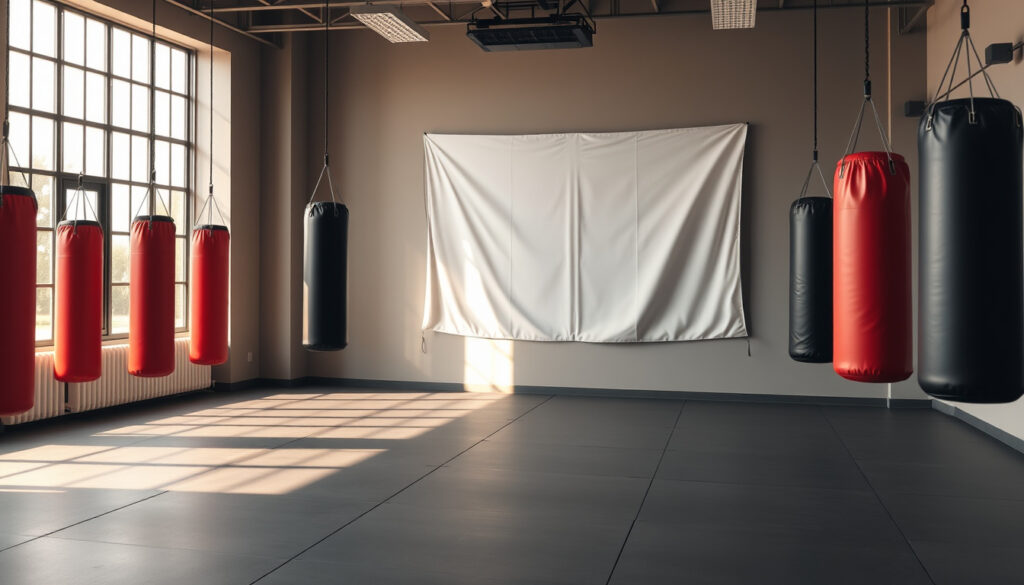
Self Defense Classes Near Me: Ireland Guide 2026
You’ve probably had that moment — walking to the car park after dark or hearing footsteps too close behind you — when the thought “I should learn to defend myself” finally sticks. This guide cuts through the noise with real costs, beginner-friendly options, and the legal boundaries you need to know in Dublin and beyond.
Average cost per class in Dublin: €15–€25 ·
Most common martial art for self-defense in Ireland: Krav Maga ·
Legal self-defense standard in Ireland: Reasonable force ·
Number of self-defense schools in Dublin: 15+ ·
Typical class duration: 60 minutes
Quick snapshot
- Krav Maga Ireland classes are designed for complete beginners (Krav Maga Ireland)
- No previous experience or specific fitness is required (Krav Maga Ireland) (Krav Maga Ireland)
- Carrying a knife for self-defense is illegal in Ireland (Irish Statute Book)
- Exact number of self-defense schools in Ireland – estimates vary widely
- Average cost for private sessions in Cork – no consistent data
- TU Dublin’s course eligibility for non-students
- Long-term retention of self-defense skills without regular practice
- Krav Maga Global Ireland’s beginner course started September 2, 2024 in Clondalkin (Krav Maga Global Ireland)
- KRAV4LIFE began a 7-week course on January 12, 2026 in Blanchardstown (KRAV4LIFE / Krav Maga Academy)
- Expect more schools to offer flexible scheduling – evening classes are standard
- Look for free trial sessions – Superprof reports many tutors offer a first free lesson
Five facts about self-defense classes in Ireland, one pattern: costs are modest but vary by location and style, and beginner-friendly Krav Maga dominates the Dublin market.
| Category | Detail |
|---|---|
| Legal self-defense standard | Reasonable force (Ireland) |
| Most popular self-defense style in Ireland | Krav Maga |
| Average class cost (group) | €15 per session |
| Minimum age for classes | 6 years old (with parent) |
| Knife carry for self-defense | Illegal |
| Beginner course duration | 4–12 weeks typical |
| Private session cost | €30–€60 per hour |
| Monthly membership average | €50–€100 |
What is the best self-defense class to take?
Krav Maga vs. Jiu-Jitsu vs. traditional martial arts
- Krav Maga is widely recommended for real-world scenarios – taught by the FBI and used by military forces (Krav Maga Ireland).
- Jiu-Jitsu focuses on ground fighting, making it effective for smaller individuals (TU Dublin).
- Traditional martial arts (karate, taekwondo) emphasise forms and discipline, but are generally considered less practical for street defence.
For a complete beginner in Dublin, Krav Maga offers the fastest path to usable skills because it strips away sport rules and focuses on instinctive reactions.
What to look for in a self-defense school
- Look for schools that explicitly welcome beginners – Krav Maga Ireland and KRAV4LIFE both state no experience needed (Krav Maga Ireland, KRAV4LIFE).
- Check class times – most Dublin schools offer weekday evenings from 8pm.
- Confirm deposit and refund policies – Krav Maga Ireland secures a place with a €25 deposit (Krav Maga Ireland).
Can you legally defend yourself in Ireland?
Reasonable force explained
Irish law permits the use of reasonable force to defend yourself, your property, or another person. Self-defense training in Ireland, such as that offered by Krav Maga eXplode (Krav Maga eXplode – Western Ireland classes), focuses on techniques that aim to stop a threat without excessive force – exactly what the legal standard demands.
What weapons are legal for self-defense in Ireland?
- Carrying a knife, pepper spray, or any object intended as a weapon for self-defense is illegal in Ireland.
- Krav Maga schools teach unarmed defence – no weapons required – which keeps students within the law.
Even a legal self-defense move can become illegal if you continue after the attacker is neutralised. The law judges force on a split-second decision basis, so training that includes de-escalation is invaluable.
How much do self-defense classes cost?
Average prices in Dublin and Cork
Four data points from Dublin providers, one pattern: group classes run €10–€20 per session, with monthly memberships averaging €50–€100.
| Provider | Price (group) | Details |
|---|---|---|
| Krav Maga Global Ireland | €70 for 4 weeks | Beginner course, Clondalkin, 2024 |
| Krav Maga Ireland | €25 deposit | Full price not listed; 12-week programme |
| TU Dublin | Free for staff/students | 4-week beginner course |
| Superprof tutors | €36/hour avg | Many offer free first lesson |
Private vs. group class costs
Private sessions in Dublin generally cost €30–€60 per hour, while group classes remain the most affordable entry point. Krav Maga eXplode for example offers private tuition across Western Ireland (Krav Maga eXplode – private tuition).
What is the best self-defense for beginners?
Easiest martial arts to learn
- Krav Maga and Jiu-Jitsu are both beginner-friendly – no prior experience required (Krav Maga Ireland, Krav Maga Global Ireland).
- TU Dublin’s 4-week self-defence course specifically targets complete beginners (TU Dublin).
Age considerations for starting self-defense
There is no upper age limit for starting Krav Maga – Krav Maga Ireland welcomes over-16s with a parent, and adults of any age can join. Children can start from age 6–8 with dedicated programmes.
What are the four types of self-defense?
Physical, verbal, legal, and digital self-defense
Self-defense is more than physical moves. Verbal de-escalation is a core skill in Krav Maga – stopping a conflict before it becomes physical. Legal self-defense means knowing your rights and the limits of reasonable force. Digital self-defense (protecting personal data and location) is increasingly taught alongside physical techniques.
Many beginners focus only on physical techniques. The most valuable training includes scenario-based practice for verbal de-escalation, because the best self-defense is the conflict you avoid entirely.
The implication: training that integrates all four dimensions provides the most complete preparation.
Comparison: Krav Maga vs. Jiu-Jitsu vs. Traditional Martial Arts
| Style | Upsides | Downsides |
|---|---|---|
| Krav Maga | real-world focus, quick progression, used by military | less sport/competition, fewer schools than traditional arts |
| Jiu-Jitsu | excellent ground defence, works for smaller frames | ground-focused, less effective against multiple attackers |
| Traditional arts | discipline, fitness, available in many locations | slower learning curve for street application |
Upsides
- Krav Maga: real-world focus, quick progression, used by military
- Jiu-Jitsu: excellent ground defence, works for smaller frames
- Traditional arts: discipline, fitness, available in many locations
Downsides
- Krav Maga: less sport/competition, fewer schools than traditional arts
- Jiu-Jitsu: ground-focused, less effective against multiple attackers
- Traditional arts: slower learning curve for street application
The pattern: each style has trade-offs; your choice depends on your primary concern—street readiness, ground defense, or discipline.
Steps to find self defense classes near me in Ireland
- Identify your goal: self-defense vs. fitness vs. sport. Be honest about why you’re signing up. If your primary aim is to stay safe on the street, Krav Maga is the most direct path.
- Search for local schools using specific terms. Use “Krav Maga Dublin”, “self defence classes near me for adults”, or “women’s self defence Dublin” to narrow results.
- Book a trial session. Many providers offer free or low-cost first lessons. Superprof tutors often give a free first session (Superprof).
- Check what to bring. KRAV4LIFE lists protective equipment: boxing gloves and shinguards with instep protection (KRAV4LIFE). Most schools will tell you on registration.
Clarity: what’s confirmed and what remains unclear
Confirmed facts
- Self-defense is legal in Ireland using reasonable force
- Krav Maga is taught by multiple schools in Dublin
- Carrying a knife for self-defense is illegal (Irish Statute Book)
- No experience needed to start Krav Maga in Dublin
- Group classes cost €10–€20 per session
What’s unclear
- Exact number of self-defense schools in Ireland
- Average cost for private sessions in Cork
- Which style is best for multiple attackers
- Whether free trial sessions are available from all Dublin schools
- Minimum age variations among schools
The catch: while many facts are confirmed, gaps remain that require direct inquiry with schools.
“Every course participant can attend a free annual refresher training for life.”
Krav Maga Ireland – Long-term commitment guarantee
“We relocated to Blakes Cross Industrial Estate, North County Dublin.”
“Our programme is delivered as an initial 8-week Essential Skills course followed by a 4-week Skills Extension.”
Krav Maga Ireland – Programme structure
Summary: choosing your self-defense class in Ireland
The decision comes down to your goals, budget, and location. Krav Maga dominates Dublin because it teaches practical, legal self-defense with a low barrier to entry. For students in Cork or Western Ireland, Krav Maga eXplore offers similar programming. For the beginner who wants a quick start, the 4-week courses from Krav Maga Global Ireland at €70 are the most cost-effective option. TU Dublin provides a free entry point for students and staff. For residents of Swords or north Dublin, Hard Target Self Defence now offers a convenient location. The pattern is clear: Ireland has a growing, accessible self-defense scene, and the single best move is to book a trial session this week. For the reader in Dublin wondering where to start, the answer is simple: pick a school that welcomes beginners, put down a small deposit, and attend your first class with an open mind. Your safety is worth €25 and one evening.
superprof.ie, masteringkravmaga.com, yelp.com, capital-kravmaga.com, facebook.com, facebook.com
Frequently asked questions
What is the best self-defense class for women in Dublin?
Krav Maga is widely recommended because it’s designed for real-world threats regardless of size or strength. Multiple Dublin schools offer dedicated women’s self-defence workshops.
Are self-defense classes tax deductible in Ireland?
Generally no, unless the training is prescribed by a medical professional as part of a health plan. Check with a tax advisor for your specific situation.
How long does it take to become proficient in self-defense?
Most beginners feel confident after 8–12 weeks of consistent training. Krav Maga Ireland’s 12-week programme is designed to bring you to a proficient level.
Can I use pepper spray for self-defense in Ireland?
No. Pepper spray is classified as an offensive weapon and is illegal to carry for self-defense.
Do self-defense classes include legal training?
Some schools cover the legal aspects of self-defense, such as reasonable force, but it’s not always a formal part of the curriculum. Ask the school directly.
What should I wear to a self-defense class?
Comfortable workout clothes and trainers. KRAV4LIFE also recommends boxing gloves and shinguards for contact training.
Is Krav Maga better than Jiu-Jitsu for self-defense?
Krav Maga is more universal for street scenarios because it covers strikes, weapons defence, and multiple attackers. Jiu-Jitsu excels on the ground. A combination is ideal.
More related posts
 What Conditions Qualify for Disability? Ireland Guide
 Vegan Pizza Near Me: Dublin Restaurants, Delivery & Menus
 Codes for Azure Latch July 2026: Active Codes List
 Are Fireflies Going Extinct? Status, Causes, and Comebacks
 My Life with the Walter Boys Season 2: Release, Cast, Romance
 Hayden Panettiere Movies and TV Shows: Full Guide
 Boletos De Avion Baratos – Guía Práctica para Ahorrar 50%