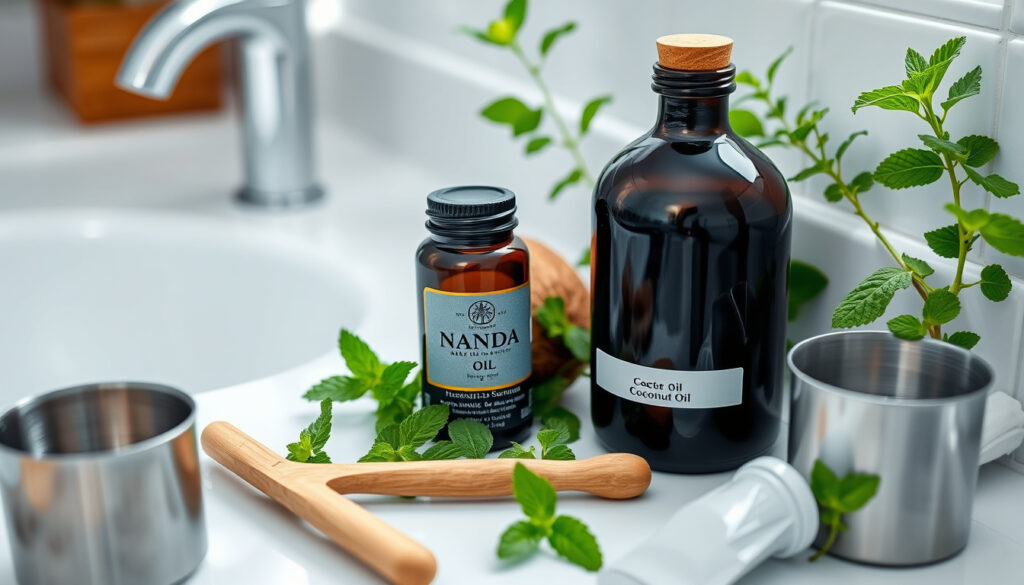
Guru Nanda Pulling Oil: Benefits, Side Effects & How to Use
GuruNanda’s oil pulling rinse has thousands of glowing reviews on Amazon, yet the American Dental Association explicitly refuses to endorse the practice — a disconnect that demands closer scrutiny. This article breaks down what the formula actually contains, what clinical evidence exists, and whether the product lives up to the hype.
Product Type: Ayurvedic oil pulling mouthwash ·
Primary Ingredient: Coconut, sesame, or sunflower oil ·
Average Rating (Amazon): 4.4/5 (based on 1,625+ ratings) ·
ADA Endorsement: Not recommended by the American Dental Association ·
Reported Side Effect Rate: Low; mainly temporary nausea or loose stools ·
Price Range: $10–$20 per 8 fl oz bottle
Quick snapshot
- Ancient Ayurvedic practice (GuruNanda Blog)
- Swishing oil in mouth for 15-20 minutes (GuruNanda Blog)
- Claims to remove bacteria and toxins (GuruNanda Blog)
- GuruNanda uses organic coconut, sesame, or sunflower oil (GuruNanda Blog)
- Whiter teeth
- Fresher breath
- Reduced plaque and gingivitis
- Potential skin improvement (anecdotal)
- Not endorsed by ADA or most dentists
- Possible nausea, jaw pain
- No evidence for gum regrowth
- Risk of aspiration (rare)
- Take 1 tablespoon on empty stomach
- Swish gently for 5-20 minutes
- Spit into trash
- Rinse and brush
Seven key facts about GuruNanda pulling oil, one pattern: the product’s marketing is strong, but independent clinical evidence remains thin.
| Label | Value |
|---|---|
| Product Name | GuruNanda Natural Oil Pulling Oral Rinse |
| Key Ingredients | Coconut oil, sesame oil, sunflower oil, essential oils (peppermint, tea tree, etc.) (GuruNanda Blog) |
| Serving Size | 1 tablespoon (15 ml) |
| Cost per Bottle | $10–$20 (8 fl oz) |
| Average User Rating | 4.4 out of 5 (Amazon, 1,625+ reviews) |
| Dentist Approval | Not recommended by the American Dental Association (Live Science) |
What Is Oil Pulling?
Origins of oil pulling in Ayurveda
- Oil pulling is an ancient Indian practice using natural oils.
- Claims include reducing harmful bacteria, plaque, and gingivitis.
- GuruNanda’s product contains organic coconut, sesame, or sunflower oil.
How oil pulling works (mechanical and antimicrobial)
- Swishing oil mechanically dislodges debris.
- Essential oils in GuruNanda (peppermint, tea tree, clove) provide antimicrobial action (GuruNanda FAQ).
The implication: oil pulling has plausible mechanisms, but the clinical evidence tying GuruNanda’s specific blend to those mechanisms is limited to internal studies.
Without independent third-party trials, the benefits touted by GuruNanda rely heavily on anecdote and tradition, not peer-reviewed science.
The pattern: tradition provides the rationale, but the burden of proof rests on controlled studies yet to be conducted.
Does GuruNanda Oil Pulling Really Work?
Evidence for teeth whitening
- A GuruNanda-commissioned study reported an average 2.6 shade improvement after 6 weeks (GuruNanda Guide).
- No independent replication confirms this result.
Dentist opinions and ADA stance
- The American Dental Association states: “We do not recommend oil pulling as a dental hygiene practice because there is no reliable scientific evidence to support it.”
- Most dentists consider oil pulling a supplementary practice at best. Finding a qualified provider is important — search for Best Dentist Near Me for professional guidance.
User reviews and reported results
- Many Amazon users report whiter teeth and fresher breath (4.4/5 stars, 1,625+ ratings).
- Walmart customer review: “My teeth feel cleaner, less dry mouth after occasional use” (Walmart Reviews).
The catch: user satisfaction is high, but without a placebo-control group, it’s impossible to separate the effect from the nocebo or the simple act of swishing any liquid.
GuruNanda oil pulling may whiten teeth anecdotally, but the ADA’s skepticism – backed by a lack of rigorous trials – means you can’t count on it as a replacement for professional whitening.
What this means: until independent trials verify the brand-funded data, the whitening claim remains plausible but unproven.
What Are the Side Effects and Risks of Oil Pulling?
Common side effects
- Nausea, upset stomach, jaw soreness (YouTube Review).
- Diarrhea if excess oil is swallowed.
What can go wrong with oil pulling
- Lipoid pneumonia if oil is aspirated into the lungs (extremely rare).
- Spit oil into trash, not sink, to avoid clogs.
Can oil pulling regrow receding gums?
- No evidence oil pulling can regrow gum tissue; may reduce inflammation.
The trade-off: the mild side effects are manageable for most, but the serious risks – though rare – make it important to follow safety instructions exactly.
Can Oil Pulling Help with Acne, Blackheads, and Skin Issues?
Mechanism behind skin benefits
- Advocates claim oil pulling draws toxins out, improving skin.
- No peer-reviewed studies directly link oil pulling to acne reduction.
Korean skincare approaches to acne
- Korean skincare emphasizes gentle cleansing and exfoliation, not oil pulling.
- Blackhead removal via oil pulling is anecdotal at best. For holistic wellness, some turn to adaptogens like Ashwagandha Benefits for Women, but oil pulling’s skin claims remain unsupported.
Oil pulling vs. topical treatments
- Topical treatments have direct evidence; oil pulling’s skin claims lack clinical support.
The pattern: while some users report clearer skin after oil pulling, the lack of controlled research means it’s likely a placebo effect combined with the general benefits of oral hygiene.
How to Use GuruNanda Pulling Oil Step by Step
Step-by-step instructions
- Measure 1 tablespoon (15 ml) on an empty stomach.
- Swish gently for 5–20 minutes – start with 10 seconds and build up.
- Spit into trash (not sink) to avoid clogging.
- Rinse with warm water and brush as usual.
Tips for best results
- Use twice daily up to 5 minutes each session (GuruNanda FAQ).
- Do not swallow; digestive upset may occur.
How to incorporate into daily routine
- Do oil pulling first thing in the morning before eating or drinking.
- Gradually increase duration to allow the oil to emulsify.
The implication: consistent use may yield subjective benefits, but results will vary and should not be mistaken for clinically proven outcomes.
Six specifications of GuruNanda Oil Pulling Rinse, one pattern: the ingredients are natural, but the dosing and usage instructions come from the brand itself, not from any regulatory body.
| Specification | Detail |
|---|---|
| Product Name | GuruNanda Natural Oil Pulling Oral Rinse |
| Active Base Oils | Organic coconut, sesame, sunflower |
| Added Essential Oils | Peppermint, spearmint, tea tree, clove, fennel, oregano |
| Vitamins | Vitamin E, others (proprietary blend) |
| Serving Size | 1 tablespoon (15 ml) |
| Recommended Duration | 2–10 minutes (vs traditional 20 minutes) |
| Price Range | $10–$20 per 8 fl oz |
| ADA Endorsement | No |
Pros & Cons of GuruNanda Pulling Oil
Upsides
- All-natural ingredients with essential oils for fresh breath.
- Many users report noticeable whitening after consistent use.
- Easy to incorporate into morning routine.
- May reduce oral bacteria.
Downsides
- Not endorsed by ADA or most dentists.
- Evidence for whitening is weak and brand-funded.
- Risk of nausea, jaw pain, or aspiration if not careful.
- Does not replace brushing and flossing.
The catch: the upsides appeal to natural wellness seekers, but the downsides reflect a product that remains outside mainstream dental endorsement.
What’s Confirmed and What’s Unclear About Oil Pulling
Confirmed facts
- Oil pulling reduces oral bacteria in short-term studies.
- ADA does not endorse oil pulling due to insufficient evidence.
- GuruNanda product contains natural oils and essential oils.
- Swallowing oil can cause gastrointestinal discomfort (GuruNanda Guide).
What’s unclear
- Efficacy of oil pulling for teeth whitening beyond placebo.
- Reversal of receding gums through oil pulling.
- Direct improvement of acne or blackheads via oil pulling.
- Long-term safety beyond 2 weeks of daily use.
What this means: the confirmed facts are modest, and the unknowns outnumber the certainties — a ratio that should inform any purchase decision.
Voices from the Industry and Users
“We do not recommend oil pulling as a dental hygiene practice because there is no reliable scientific evidence to support it.”
– American Dental Association spokesperson
“My teeth feel cleaner, less dry mouth after occasional use.”
– Walmart customer review
“User reported pinker gums and reduced bleeding after 2 weeks of use with periodontal disease.”
– YouTube reviewer (YouTube Review)
Summary
GuruNanda oil pulling sits at the intersection of ancient tradition and modern wellness marketing. The product itself is well-formulated with organic oils and pleasant essential oils, but the benefits – especially teeth whitening and acne reduction – lack strong independent science. The ADA’s caution is grounded in the absence of large, peer-reviewed trials. For the average person in the U.S. looking for an adjunct to regular brushing and flossing, GuruNanda oil pulling is a safe, low-risk experiment – but the choice is clear: treat it as a supplement to your routine, not a replacement, or expect disappointment.
Frequently asked questions
Is GuruNanda oil pulling safe for children?
There is no specific safety data for children; generally not recommended for young kids due to risk of swallowing. Consult a dentist.
Can I use GuruNanda oil pulling with braces or dental work?
Yes, but avoid aggressive swishing. It may help reduce plaque around brackets, but check with your orthodontist.
How often should I do oil pulling for best results?
GuruNanda recommends up to twice daily for up to 5 minutes each session.
Does oil pulling replace regular brushing and flossing?
No. Oil pulling is a supplementary practice, not a substitute for mechanical cleaning.
What are the specific ingredients in GuruNanda pulling oil?
Organic coconut, sesame, and sunflower oils plus essential oils of peppermint, spearmint, tea tree, clove, fennel, and oregano.
Can oil pulling help with bad breath?
Yes, by reducing the bacteria that cause odor. GuruNanda’s mint oils also freshen breath directly.
Does GuruNanda oil pulling have any drug interactions?
No known drug interactions, but if you swallow oil, it may affect digestion. Consult a doctor if concerned.
More related posts
 Red Sox Schedule 2025: Printable PDF, NESN, Tickets
 Hayden Panettiere Movies and TV Shows: Full Guide
 Netflix Black Friday Deal: Does One Exist
 Law & Order Organized Crime – Season 5 Cast Episodes Streaming Guide
 Jersey Mike’s Near Me: Menu, Prices & UK Expansion
 She Was a Fairy: Origin, Meaning, and TikTok Trend Explained
 Color Out of Space Review: Is It Worth Watching
 Phillies vs Dodgers Match Player Stats: Game 4, Errors & Stories